
Dance Practice at Home: Check the Floor, Space, Noise, and Camera
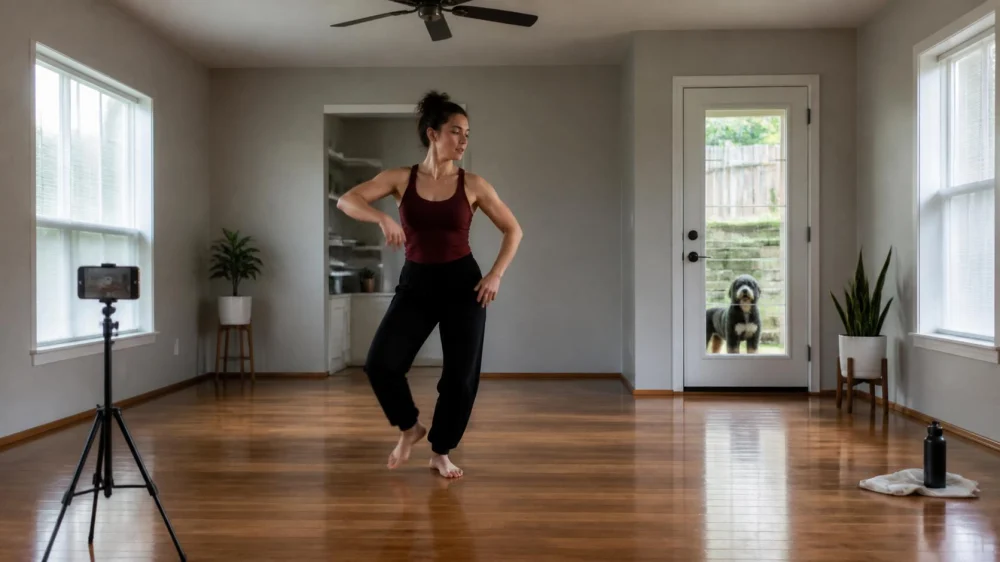
Home practice can reinforce counts, memory, and musicality, but a living room is not automatically a dance studio. Hard or slippery floors, low fixtures, furniture, pets, neighbours, and an always-on camera change the risks. A good setup limits movement to what the space can support and follows the teacher’s technique guidance.
Choose a Practice Goal
Define a narrow task such as reviewing arm pathways, marking choreography, counting music, or conditioning assigned by the teacher. Do not turn limited space into a full-out run because the music creates momentum. Write the sequence and stop point first. Technical changes, pointe work, lifts, tumbling, or injury rehabilitation need appropriate supervision and facilities.
Class Act Performing Arts / class act studios
EdgewaterAnne Arundel CountyMaryland
161 Mitchells Chance Rd, Edgewater, MD 21037, USA
Assess the Floor
Check whether the surface is wood, tile, concrete, carpet, laminate, or a temporary dance floor and what lies beneath it. Look for rugs, cords, wet spots, transitions, loose boards, and wax. A hard surface may not provide suitable shock absorption. Do not add powder, water, household polish, or an unsecured mat to change traction.

Mythili Dance Academy / mythili dance academy
12996 Nimble Dr, Frisco, TX 75035, USA
Measure Clear Space
Stand at the intended centre and slowly extend arms and legs in every planned direction without momentum. Account for travel, turns, and backward steps. Move small objects completely out of the room rather than stacking them at the boundary. Furniture that cannot be moved defines a smaller practice box. Keep exits and household pathways open.
Check Overhead Clearance
Notice fans, pendant lights, sprinklers, shelves, door frames, and sloped ceilings. Switch off a ceiling fan before practice and make sure nobody can restart it unexpectedly. Do not jump, lift a partner, or raise a prop near an overhead object. A hand that clears while standing may strike a fixture during a jump or travelling turn.
Match Footwear
Follow the teacher’s guidance for bare feet, socks, ballet shoes, jazz shoes, sneakers, or marking without full footwear. Street dirt changes traction and can damage floors. Socks may be dangerously slippery on some surfaces. Inspect soles and laces, secure ribbons, and stop if footwear grabs or slides differently from the studio floor.
Control Sound and Impact
Choose a reasonable time and volume under household, lease, and community rules. Use an appropriate speaker position instead of wearing isolating headphones that hide alarms or voices. Mark jumps and percussive steps when the structure or neighbours cannot support impact. Do not rely on a rug over hard concrete to create a sprung dance floor.
Protect People and Pets
Tell household members when the practice area is active and block casual crossings without locking emergency exits. Keep children and pets in another safe room. Do not dance while carrying a baby or around a loose pet. Place water outside the movement zone and wipe spills immediately. Stop when another person enters rather than improvising around them.
Place the Camera Safely
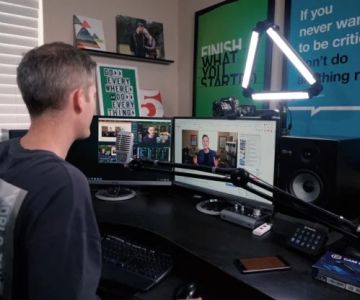
Use a stable tripod or shelf outside the travel area, with charging cords removed from the floor. Frame only the intended practice area and protect household privacy. Do not film other people without consent. Review recordings after the movement stops instead of staring at a screen during turns. Store or delete files according to the teacher’s and dancers’ consent.
Keep the Session Structured
Warm up as instructed, practice in short blocks, and include rest and water. Start with low-intensity marking before adding speed. Use music controls that can be reached without running across the floor. Keep a brief note of what felt different from class. Fatigue, frustration, or repeated mistakes are reasons to slow down, not add uncontrolled repetitions.
Know What Not to Practice
Stop for pain, dizziness, damaged flooring, a new obstacle, loss of traction, or insufficient clearance. Save high-impact jumps, acrobatics, lifts, pointe work, and fast travelling combinations for approved spaces and supervision unless a qualified teacher has specifically designed a safe home version. Health symptoms or injury concerns belong with an appropriate healthcare professional.
Before ending, record one question for the next class rather than solving every uncertainty alone. Note which count, transition, direction, or floor response felt unclear. Share only the relevant short clip through the teacher’s approved method and delete accidental household footage. Reset the room completely: remove tripod and speaker, dry any moisture, return furniture without dragging it across the floor, and tell household members the shared space is open again.
Productive home dance practice is intentionally smaller than studio rehearsal. Set one goal, verify floor and clearance, remove crossings, manage sound, place the camera outside the path, and mark movements that exceed the space. The best home session sends you back to class prepared, not injured.

 Ovations Studios4.0 (9 reviews)
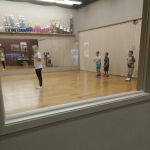 5678 Dance Studio4.0 (14 reviews)
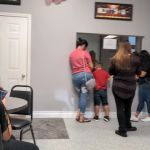 Contempo Dance Center5.0 (6 reviews)
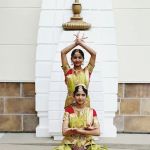 Nupur Dance Academy5.0 (10 reviews)
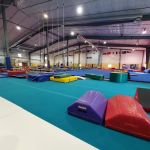 Naydenov Gymnastics4.0 (161 reviews)
 Rocky Mountain Conservatory Theatre4.0 (16 reviews)
 What is Pasodoble? The Spanish Bullfight-Inspired Dance
 How to Deal with Sweat and Hygiene in Group Dance Classes | Creative Edge Dance Studio
 How I Chose My First Beginner Dance Style
 How I Balanced Dance & Academic Studies as a Student Dancer in the U.S.
 The Connection Between Dance and Cultural Identity | Embracing Heritage
 How to Learn Choreography Faster and Remember It Longer – Creative Edge Dance Studio