
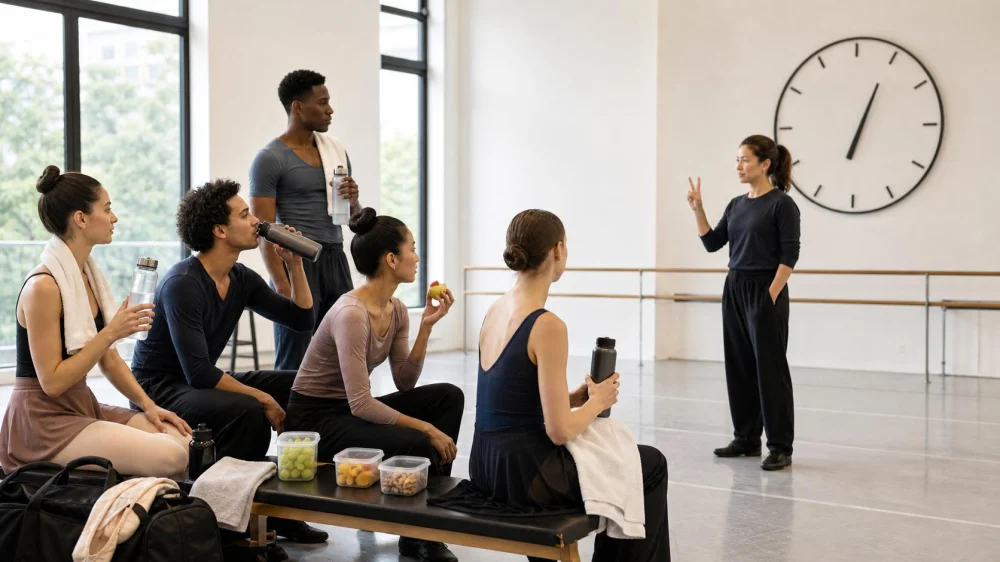
Dance Rehearsal Break Plan: Water, Snacks, and Return Cues
On this page
- Put breaks on the call sheet
- Define the break start and end
- Set up a safe water area
- Choose practical snacks
- Manage allergies and shared food
- Keep costumes, floors, and props clean
- Use breaks for recovery, not extra rehearsal
- Coordinate restrooms and building access
- Return with a clear cue
- Adjust when the rehearsal changes
- Rehearsal break checklist
A dance rehearsal break is part of the schedule, not empty time. Dancers need a predictable chance to drink, eat when appropriate, use the restroom, adjust clothing, check shoes, and reset attention. Without a clear return cue, a ten-minute break can become a staggered restart that wastes more time than it saved.
Plan breaks according to rehearsal length, intensity, heat, age group, venue rules, and individual health needs. The teacher, choreographer, stage manager, or rehearsal director should announce when the break begins, where dancers may go, and what signal brings everyone back.

The Little Gym of Dulles Landing / little gym dulles landing
24570 Dulles Landing Dr, Dulles, VA 20166, USA
Put breaks on the call sheet
Include expected breaks in the rehearsal schedule with an approximate start, duration, and responsible caller. Long rehearsals may need several short water pauses and a longer meal period. Build in flexibility for technical stops, costume work, and heat.
Share the plan before arrival so dancers bring enough water and suitable food. For minors, confirm pickup, supervision, and whether they may leave the room or building. A posted schedule should not override someone who needs an additional medically appropriate break.
Class Act Performing Arts / class act performing arts
EdgewaterAnne Arundel CountyMaryland
161 Mitchells Chance Rd, Edgewater, MD 21037, USA
Define the break start and end
State whether “ten minutes” begins at the announcement or after dancers leave the floor, and give the exact return time when possible. Tell everyone whether they should return ready to dance, seated for notes, in costume, or at a specific mark.
Name a two-minute warning and final cue. Avoid using a vague “soon” or expecting every dancer to watch the wall clock. For a large venue, use the approved call system rather than shouting through private changing areas.
Set up a safe water area
Designate a bottle zone away from dance flooring, electrical equipment, props, costumes, and traffic. Use closed, stable, labeled bottles and keep them upright. Dancers should not share drinking containers.
Wipe a spill immediately and tell staff so the floor can be assessed. Do not carry open cups across marley, wood, or sprung floors. Confirm whether the venue has a refill station and whether leaving the room for water is permitted.
Choose practical snacks
For rehearsals that include a snack period, choose familiar food that is easy to portion, chew, store, and clean up. Consider the time before dancing resumes; a large or unfamiliar meal immediately before intense movement may be uncomfortable.
Follow individualized nutrition or medical guidance rather than copying another dancer's routine. Bring insulated storage for foods that require temperature control and discard perishables held under unsafe conditions. The venue may prohibit food in studios or dressing rooms.
Manage allergies and shared food
Ask about the organization's allergy policy before bringing food. Avoid surprise shared snacks, homemade treats, or unlabeled items. Dancers with allergies should follow their established care plans and keep prescribed emergency medicine accessible under the program's procedures.
Do not assume removing a visible ingredient makes food safe. Cross-contact can occur through packages, hands, tables, and shared utensils. For a severe allergic reaction, use prescribed emergency medication as directed and call emergency services.
Keep costumes, floors, and props clean
Eat only in the designated area and remove costumes or cover them as the costume team directs. Keep greasy, colored, crumbly, or sticky food away from fabrics, shoes, props, sound equipment, and scripts.
Wash or clean hands before returning. Dispose of wrappers and used napkins, close bottles, and check the floor around the seat. Do not set food on a prop table or use a costume rack as a bag hook.
Use breaks for recovery, not extra rehearsal
A break should reduce physical and mental load. Sit or move gently as appropriate, breathe normally, drink, and address minor gear issues. Avoid full-out repetitions, unsupervised lifts, high kicks in crowded corridors, or competition over stretching.
Report pain, dizziness, confusion, breathing difficulty, heat illness signs, or another concern instead of hiding it to return on time. For a medical emergency, stop rehearsal and call emergency services. Return-to-dance decisions after injury require appropriate professional guidance.
Coordinate restrooms and building access
Tell dancers which restrooms are available and how long the route takes. Keep accessible paths, exits, and shared corridors clear. For children, follow supervision and buddy policies without compromising privacy.
Confirm whether anyone may leave the building and whether doors lock behind them. A dancer should not prop open a controlled entrance or let an unknown visitor inside. Bring keys or access credentials only when authorized.
Return with a clear cue
Use one consistent return method: a stage-management call, bell, approved group message, room announcement, or designated person. The cue should reach the water, restroom, dressing, and meal areas without requiring personal phone use in restricted spaces.
At the warning, dancers should finish food, close containers, use the restroom if time allows, and return to the named place. The final cue should be followed by a brief attendance or safety check before movement begins.
Adjust when the rehearsal changes
If the schedule runs late, do not silently cancel a planned break. Announce the change, reason, new break time, and effect on dismissal. Consider transport, work limits, venue closing, minors, medication timing, and meal needs.
After an unexpectedly intense section, heat increase, technical delay, or injury response, the leader may need to add or lengthen a break. Document significant schedule changes on the call sheet or rehearsal report so the next session can be planned more accurately.
Rehearsal break checklist
- Schedule breaks for duration, intensity, age, and conditions.
- Announce the exact duration, return time, and return state.
- Designate a closed-bottle area away from dance floors.
- Bring familiar practical food with safe storage.
- Follow allergy policies and avoid surprise shared food.
- Keep eating away from costumes, props, and equipment.
- Use the break for recovery rather than extra drilling.
- Explain restrooms, supervision, and building access.
- Give a warning and one clear final return cue.
- Announce and document every major schedule change.
A well-called rehearsal break protects both time and dancers. Put it on the schedule, give water and food a safe place, respect allergies and recovery, and use a return cue everyone can hear. When the group comes back together at the same moment and in the expected state, the next section begins with better attention and less confusion.



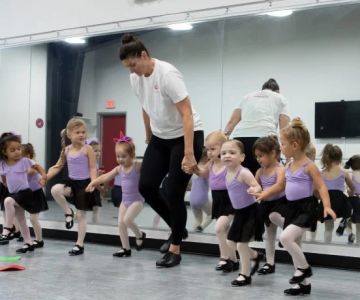
 Steps N Motion Dance Studio4.0 (4 reviews)
 Centerstage Dance Shop4.0 (115 reviews)
 Dance Fever Huntersville5.0 (5 reviews)
 GRUV Dance Academy5.0 (22 reviews)
 Theatre School of Dance5.0 (12 reviews)
 Art In Motion Dance & Fitness4.0 (39 reviews)
 My Journey Using Neural Interface Rhythms to Enhance Movement
 7 Mistakes I Made in My First Jazz Dance Class (and How to Fix Them)
 How I Learned to Use Augmented Reality in My Dance Coaching — My Story
 What is Irish Dance? Exploring Soft Shoe and Hard Shoe
 How I Learned to Teach Chair Dance for Seniors — My Story
 How to Choose Dance Clothes That Are Functional and Stylish