
Dance Studio Changing Area: Plan Privacy, Bags, and Timing
On this page
- Ask what facilities exist
- Understand the studio privacy policy
- Choose what to wear on arrival
- Pack an organized dance bag
- Protect valuables and keys
- Manage shared space considerately
- Plan for minors and caregivers
- Handle costume changes
- Respond to a privacy concern
- Leave the area ready for others
- Changing area checklist
A dance studio changing area may be a dedicated room, a screened corner, a restroom, a shared dressing room, or no changing space at all. Its layout affects arrival clothing, bag size, privacy, caregiver support, costume timing, and where valuables can be stored. Asking in advance prevents a dancer from discovering the setup minutes before class.
Studios should explain their own access, safeguarding, photography, and supervision policies. Dancers and families can support those rules by arriving prepared, minimizing belongings, keeping devices away, and reporting concerns through the designated staff contact.
Class Act Performing Arts / class act performing arts
EdgewaterAnne Arundel CountyMaryland
161 Mitchells Chance Rd, Edgewater, MD 21037, USA
Ask what facilities exist
Contact the exact location and ask whether there is a changing room, private cubicle, accessible space, restroom changing policy, seating, hooks, lockers, showers, and a place for wet outdoor clothing. Confirm hours and whether the area is shared among classes.
Ask how the studio accommodates a dancer who needs a private, all-gender, family, caregiver-assisted, or accessible option. A photo of a building lobby does not show the full route or room arrangement. Visit ahead when the layout is important.

Rock City Dance Center - Conway / rock city dance center conway
1058 Front St #102, Conway, AR 72032, USA
Understand the studio privacy policy
Review who may enter, whether adults and minors use separate areas, how staff supervision works, and what happens between back-to-back classes. Ask about phones, cameras, smartwatches, and video calls. Many studios prohibit image capture in any changing space.
Never photograph or record in a changing room, even with a blank background. Keep devices stored and camera lenses covered where policy requires it. Consent to rehearsal photos does not imply consent in a dressing area.
Choose what to wear on arrival
When changing facilities are limited, wear dance clothes under loose street layers if comfortable and appropriate. Use garments that can be removed without exposing underwear or blocking a public corridor. Confirm footwear rules before walking through the studio.
Do not travel outdoors in dance shoes intended for clean indoor floors. Bring easy-on cover shoes and a bag for outdoor footwear. For a performance costume, protect delicate fabric with a clean outer layer only if it will not crush or snag the design.
Pack an organized dance bag
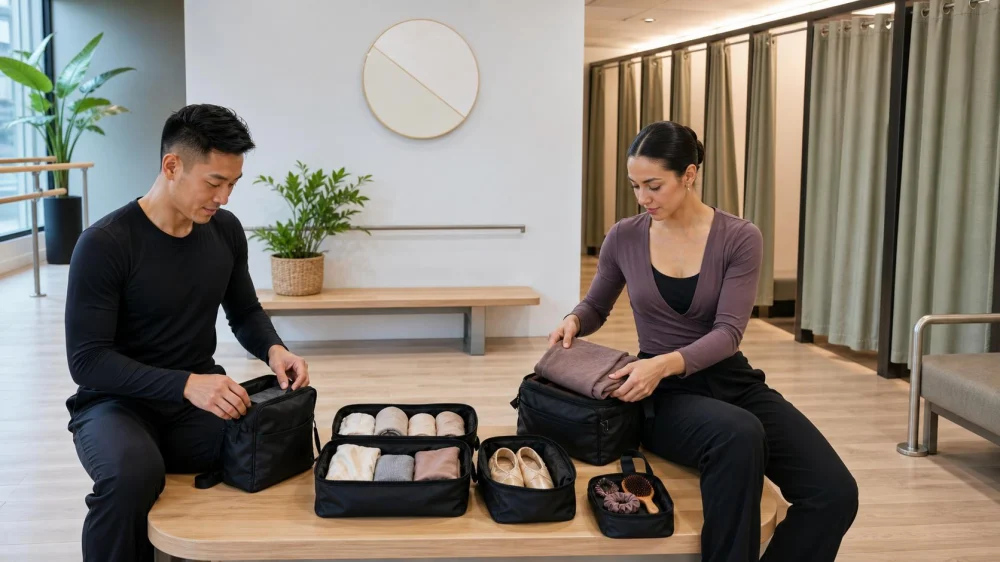
Use separate pouches for clean clothing, used clothing, dance shoes, hair items, personal care, and small costume pieces. Label belongings discreetly with the dancer's name or an approved identifier, avoiding unnecessary public contact details.
Bring only what the class requires. An oversized bag can block benches, exits, and floor paths. Keep liquids sealed and away from costumes, papers, and electronics. Pack a small opaque bag for used or damp items.
Protect valuables and keys
Ask whether lockers require a personal lock, coin, code, or staff-issued key. Do not assume the studio accepts responsibility for items left in an open room. Leave expensive jewelry, excess cash, and unnecessary electronics at home.
Keep required keys, identification, medicine, and phone secured under studio rules. Do not hide valuables in another person's bag or an unlocked costume rack. Report a lost locker key or access code immediately.
Manage shared space considerately
Use only the space needed and keep doors, accessible benches, sinks, and walkways clear. Place clothes in a bag rather than spreading them across hooks and floors. Keep aerosols, fragrances, glitter, food, and powders out when they could affect allergies, breathing, floors, or costumes.
Change promptly without rushing into unsafe movement. Wait outside if the room is at capacity and follow staff direction for class transitions. Conversations should respect the privacy and comfort of everyone present.
Plan for minors and caregivers
Parents and caregivers should follow the studio's safeguarding and pickup rules. Confirm the age at which a dancer changes independently, who may assist, where caregivers wait, and how staff handle a child who needs help.
Do not send an unauthorized adult into a shared changing area. If a child requires personal-care or disability support, arrange it privately with the studio before class. The plan should protect dignity, access, and other dancers' privacy.
Handle costume changes
For rehearsals and performances, create a labeled costume order with garment, shoes, accessories, hair items, and return location. Ask whether a quick-change space, helper, robe, screen, or base layer is required and who is authorized to assist.
Practice the change without an audience and without recording. Keep pins, fasteners, hot tools, makeup, and electrical cords controlled. A missed entrance is less important than protecting a dancer from injury or unwanted exposure.
Respond to a privacy concern
If someone enters improperly, uses a camera, makes a threatening comment, or violates boundaries, move to a safe place and tell the designated staff member immediately. Preserve relevant details without sharing images of people changing.
For immediate danger, call emergency services. Studios should have a clear reporting and safeguarding process; ask how a concern is documented and escalated. Do not confront an unknown person alone or post accusations publicly instead of reporting through appropriate channels.
Leave the area ready for others
Collect every garment, shoe, pin, hair tie, bottle, tissue, and piece of tape. Place used items in the correct bag and dispose of trash. Report spills, broken hooks, wet floors, damaged locks, or lighting problems to staff.
Check beneath benches and inside lockers, then close or release the locker as instructed. At home, unpack damp clothing and shoes promptly and let the bag dry before repacking.
Changing area checklist
- Confirm the available changing, restroom, and accessible spaces.
- Read entry, supervision, safeguarding, and device policies.
- Wear suitable arrival layers when facilities are limited.
- Keep indoor dance shoes off outdoor surfaces.
- Separate clean, used, shoe, and costume items.
- Minimize valuables and understand locker procedures.
- Keep shared benches, exits, and access routes clear.
- Arrange minor and caregiver support in advance.
- Plan private costume changes and authorized helpers.
- Report privacy or safety concerns to staff immediately.
A dance changing area works best when no one has to improvise privacy. Confirm the facilities, pack a compact organized bag, follow the device and access rules, and plan help for minors or costume changes. Review the plan again for performances, guest studios, and seasonal classes because rooms, staffing, and access can change. Those details let dancers move from street to studio and back again with their belongings, time, and dignity intact.


 Steps N Motion Dance Studio4.0 (4 reviews)
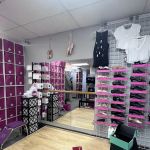 Centerstage Dance Shop4.0 (115 reviews)
 Dance Fever Huntersville5.0 (5 reviews)
 GRUV Dance Academy5.0 (22 reviews)
 Theatre School of Dance5.0 (12 reviews)
 Art In Motion Dance & Fitness4.0 (39 reviews)
 My Journey Using Neural Interface Rhythms to Enhance Movement
 7 Mistakes I Made in My First Jazz Dance Class (and How to Fix Them)
 How I Learned to Use Augmented Reality in My Dance Coaching — My Story
 What is Irish Dance? Exploring Soft Shoe and Hard Shoe
 How I Learned to Teach Chair Dance for Seniors — My Story
 How to Choose Dance Clothes That Are Functional and Stylish