
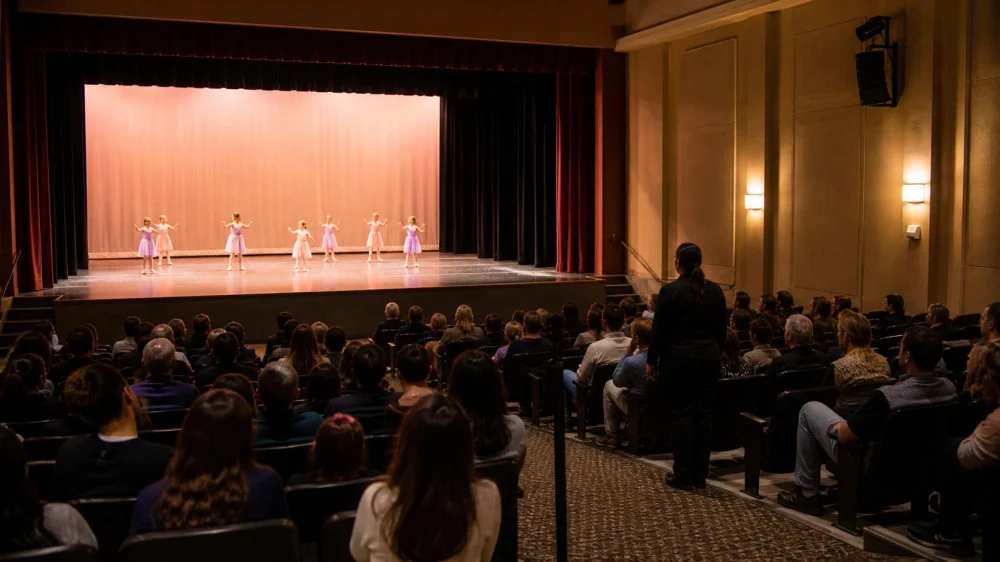
First Dance Recital: Audience Timing and Etiquette Guide
On this page
Quick answer
For a first dance recital, arrive before the venue’s stated seating time, use the assigned entrance and seat, silence and dim your phone, and wait between dances to enter or leave. Follow the studio’s photo policy, never use flash, and avoid posting other children without permission. Keep aisles clear and use the studio’s approved dancer pickup process after the final bow.
This guide is for families and guests attending dance recitals in the United States. Studio, school, theater, and venue rules vary. The recital packet, ticket terms, staff directions, and announcements are the current source for schedule, recording, seating, accessibility, and pickup procedures.
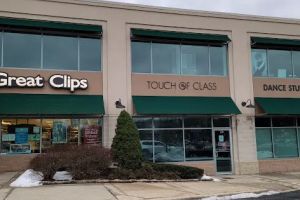
Touch of Class Dance / touch of class dance
DowningtownChester CountyPennsylvania
150 E Pennsylvania Ave, Downingtown, PA 19335, USA
What to confirm before recital day
Ask the dancer or studio for the audience information separately from the dancer’s call-time instructions. Confirm:
- venue address, correct entrance, parking, transit, and accessible route;
- performance start, doors-open time, and whether late seating is permitted;
- ticket delivery, assigned versus general seating, and age requirements;
- estimated running time, intermission, and whether the dancer appears in one or both halves;
- bag, food, drink, stroller, booster-seat, and outside-flower policies;
- photography, video, livestream, and social-media rules;
- whether printed or digital programs are provided;
- sensory, hearing, mobility, language, and other accommodations; and
- the dancer release and pickup location after the show.
Do not assume the dancer can meet the audience during intermission. Costume changes, supervision, warm-up, and backstage traffic may require performers to remain in assigned areas.
If young children will attend, explain that the room becomes dark, music may be loud, and leaving may need to wait until a dance ends. Pack only quiet, venue-approved items. Choose an aisle or exit-friendly seat when available if a child may need a break.
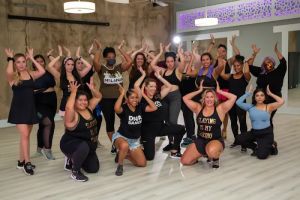
DivaDance® DC / divadance dc
WashingtonDistrict of Columbia
1323 Connecticut Ave NW, Washington, DC 20036, USA
Arrival and seating checklist
- Arrive before doors open. Allow time for parking, tickets, restrooms, accessibility needs, and finding seats without rushing.
- Use the audience entrance. Dancer check-in and backstage doors may be restricted for supervision and security.
- Keep tickets ready. Load digital tickets before entering a low-signal building and raise screen brightness only for scanning, then dim it inside.
- Follow the usher. Do not move reserved signs, accessibility seating, camera positions, or technical equipment.
- Store belongings safely. Keep coats, bags, flowers, and mobility devices within permitted areas and out of aisles.
- Use restrooms early. A trip immediately after the curtain rises can block views and cause a missed entrance.
- Silence devices completely. Turn off alarms, keyboard clicks, camera sounds when possible, watch notifications, and bright screens.
- Review the program. Note the dancer’s pieces and intermission, but avoid screen light or noisy pages during a quiet performance.
Late arrival procedures protect performers and the seated audience. Wait where staff directs until an appropriate break. Do not open a lighted door, climb over seats, or argue for immediate entry while dancers are onstage.
Audience etiquette during the performance
Applause: clap at the end of a piece or when the event’s culture clearly invites it. Support all dancers, not only the person you know. Avoid shouting a dancer’s name during a quiet opening or delicate moment unless the studio says cheering is welcome.
Movement: stay seated during each dance. If you must leave for illness, a child’s needs, or another urgent reason, use the nearest safe aisle with minimal disruption and follow usher instructions.
Conversation: save comments for between pieces or intermission. Whispering can carry in a theater, and the audience may need to hear subtle music cues.
Food and drink: follow venue policy. Crinkling wrappers, open cups, and spills distract others and can damage theater surfaces. Consume snacks only in approved areas.
Views: do not hold a phone above your head, wear a tall hat, lean into another seat, or stand in an aisle. If official video is available, watching without recording may give everyone a better view.
Respect: do not criticize a dancer, costume, body, level, or mistake within earshot of performers or families. A recital may include beginners, adaptive dancers, adults returning to dance, and students with different training histories.
Photography, video, and child privacy
A no-photography rule may protect choreography rights, music licenses, children, lighting safety, and the audience experience. Follow it even if other spectators do not.
When recording is allowed:
- turn off flash and any focusing light;
- keep the device below eye level and within your seat space;
- do not use tripods, selfie sticks, aisle positions, or large equipment unless approved;
- frame the stage without capturing nearby audience faces or private conversations;
- avoid filming backstage, dressing rooms, check-in, injury response, or dancer pickup;
- ask before posting identifiable minors who are not your responsibility; and
- use official photo or video services when the studio provides them.
Permission to record for personal use is not necessarily permission to livestream, sell, repost, tag, or use the material commercially. Music and choreography may have separate rights. Ask the studio before public sharing.
Never step forward or into an aisle to get a closer shot while the performance is running. Movement near the stage can distract dancers, block cues, and interfere with emergency paths.
Pickup, greetings, and post-show plans
Wait for the full curtain call and dismissal instructions unless an emergency requires leaving. Dancers may need to return costumes, collect belongings, receive notes, and be released through a supervised process.
For children, only the authorized adult should use the designated pickup point. Do not enter backstage or ask a child to leave through an audience door because the line looks long. If pickup plans change, contact the studio through its approved method.
Give flowers or gifts only where the venue allows them. Keep water, pollen, glass containers, balloons, and large arrangements away from stage traffic and dressing areas. A card or post-show meal can be a simpler alternative.
Focus the first conversation on the dancer’s experience rather than a critique. Try “What part felt best?” or “What do you want to remember?” If the dancer is tired or emotional, allow time before reviewing video or discussing corrections.
Choose a meeting point before the show because cell service may be crowded afterward. Keep lobby doors, accessible routes, fire exits, and drop-off lanes clear while waiting.
Venue differences and important limits
This guidance reflects common recital practice: audiences support performers by arriving on time, limiting light and noise, preserving sight lines, respecting child privacy, and following controlled backstage access. It does not establish a universal theater rule.
Recitals range from informal studio showings to ticketed theater productions. Cheering, late seating, recording, food, flowers, intermission, and pickup can differ. Use the event-specific information instead of expectations from another venue.
In an alarm, medical event, or other emergency, follow venue staff and posted exit procedures. Do not move toward the stage or backstage unless directed. Keep aisles clear for responders.
Frequently asked questions
How early should I arrive for a dance recital?
Use the venue’s doors-open recommendation and add time for parking, tickets, restrooms, and seating. The dancer’s call time is usually earlier and should not be used as the audience arrival time.
Can I leave after my dancer performs?
Only if the event permits it, and move between dances rather than during one. Staying through the final bow supports other performers and may be required before dancer release.
Is cheering allowed?
Studio culture varies. Applause is broadly appropriate, while loud name-calling or whistles may not fit a formal or quiet piece. Follow the audience cues and event instructions.
Can I bring younger siblings?
Check ticket and age policies. Plan for noise, darkness, run time, and a quiet exit. Some venues offer relaxed performances or specific family guidance.
Why is flash photography prohibited?
Flash can distract performers, interfere with lighting, and disturb the audience. A venue may ban all photography for additional privacy and rights reasons. Turn flash off before entering.
When can I meet the dancer?
Use the studio’s release instructions. Performers may need time to change, return costumes, and check out. Waiting at the assigned meeting point is safer than entering backstage.
Next steps
Read the recital packet, confirm tickets, seating, run time, photo rules, accessibility, and dancer pickup, then plan an early arrival. Silence and dim devices, keep aisles clear, enter and leave only between dances, and respect every performer’s privacy. After the final bow, use the approved release process and let the dancer choose how to celebrate and reflect.


 studio shira4.0 (52 reviews)
 Jazzercise5.0 (60 reviews)
 Academy of Music and Arts - Mandarin5.0 (8 reviews)
 Dance Studio Elegance0.0 (0 reviews)
 Altitude Fitness Highland Village4.0 (37 reviews)
 New Hope Dance & Drama at New Hope Performing Arts Center4.0 (7 reviews)
 How to Build Endurance for Full-Length Dance Classes
 How to Choose Dance Clothes That Are Functional and Stylish
 How to Prepare for a Dance Class When You're a Complete Beginner
 How I Learned to Teach Dance for People with Parkinson’s and Movement Challenges
 The History of Hip-Hop Dance: From the Bronx to Your Studio
 How I Learned to Choreograph for a Live Orchestra — My Story