Creative Edge Dance Studio
Creative Edge Dance StudioDance StoriesDance Classes Near Me
AlabamaArizonaArkansasCaliforniaColoradoConnecticutDelawareDistrict of ColumbiaFloridaGeorgiaIllinoisIndianaIowaKentuckyLouisianaMaineMarylandMassachusettsMichiganMinnesotaMississippiMissouriNebraskaNew HampshireNew JerseyNew MexicoNew YorkNorth CarolinaOhioOklahomaOregonPennsylvaniaRhode IslandSouth CarolinaSouth DakotaTennesseeTexasVermontVirginiaWashingtonWest VirginiaWisconsin

Creative Edge Dance StudioDance Stories

How Neural Network-Driven Lights and Sound Transformed My Dance Performances

How Neural Network-Driven Lights and Sound Transformed My Dance Performances

1. My Introduction to Neural Network-Driven Lights and Sound

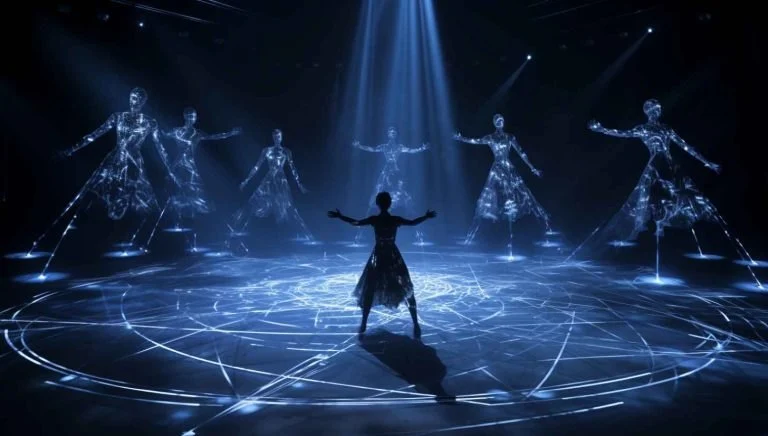
As a dancer and choreographer, I’ve always been fascinated by the possibilities of integrating technology into live performances. My journey with neural network-driven lights and sound began when I was looking for a way to enhance the sensory experience of my performances. I wanted to create a deeper connection with my audience, adding an element of unpredictability and immersion that would complement the rhythm and movements of my dance.Discovering AI in Performance Art: It was through a collaboration with a tech company specializing in AI and machine learning that I first encountered the potential of neural networks for creating dynamic, interactive light and sound experiences.The Technology: Neural network-driven systems use artificial intelligence to analyze and respond to data inputs, such as movement or sound, in real-time. For my dance performances, this meant that the lights and sound could change and evolve based on my body movements and gestures.

2. The Benefits of Using Neural Networks in Dance Performances

Integrating neural network-driven lights and sound into my performances has offered several key benefits, both artistically and technically:Real-Time Interaction: One of the most exciting aspects of using AI in my performances is the ability to create a real-time interaction between the dancer and the technology. The lights and sound evolve as I move, allowing for an immersive experience where my actions directly influence the atmosphere.Enhanced Audience Engagement: The unpredictability of AI-driven elements keeps the audience engaged, as no two performances are ever the same. The dynamic lighting and sound create a more engaging and visually stimulating experience.Creative Freedom: Neural networks allow for endless creative possibilities. I can experiment with different lighting patterns, soundscapes, and responses, which gives me the freedom to tailor the sensory experience to the mood or emotion I want to convey in the performance.Improved Aesthetic Impact: The ability to sync sound and light to my movements has led to a more cohesive and visually stunning performance. The lights dance along with me, enhancing the overall aesthetic of the performance.

3. Challenges I Faced While Integrating Technology

While the integration of neural networks into my dance performances has been transformative, it hasn’t been without its challenges:Learning Curve: Initially, the technology was difficult to master. Understanding how to use neural networks to generate responsive lighting and sound took time, and I had to work closely with technologists to ensure that the systems worked seamlessly with my choreography.Technical Reliability: As with any cutting-edge technology, technical glitches can occur. There were instances where the system failed to respond as expected, and I had to quickly adapt my performance to make up for it. Reliability was a significant factor to consider when deciding to incorporate AI.Balancing Technology and Dance: One of my biggest concerns was ensuring that the technology enhanced, rather than overshadowed, the dance. I didn’t want the lights and sound to steal the focus from the performance itself. Striking the right balance between technology and artistry required careful planning and adjustments.Budget and Resources: Incorporating neural networks and high-tech equipment into a live performance can be expensive. It took significant investment in both equipment and expertise, and I had to ensure that the budget was available to support this integration.

4. Impact on My Audience and Performance Quality

The impact on my audience has been profound. Using neural network-driven lights and sound has elevated the quality of my performances in the following ways:Immersive Experience: The interactive nature of the technology allows my audience to feel more immersed in the performance. The real-time changes in lighting and sound make them feel like they are part of the performance, adding to the emotional depth of the experience.Increased Emotional Connection: By matching the lights and sound to the rhythm and movements of the dance, I’ve been able to evoke a stronger emotional response from my audience. The ever-changing visuals and sounds create an atmosphere that heightens the emotional intensity of the performance.Feedback and Interaction: Audience members have commented on how much more engaging the performance has become, citing the responsive lighting and sound as a major factor. The unpredictability of AI has sparked excitement and curiosity, leaving them eager to see what will happen next.

5. Real-Life Examples of Using Technology in Dance

Many artists and choreographers have successfully integrated technology into their performances, and these examples have inspired me along my journey:Case Study 1 – Theatrical Performances Using AI: Several major theatrical performances have incorporated AI to manipulate lighting and sound in real-time, enhancing the visual spectacle and emotional engagement. The use of interactive projections and responsive lighting systems has become a staple in immersive theater productions.Case Study 2 – The Dance of the Future: In a performance at a major dance festival, AI-driven systems responded to the dancers’ movements with generative soundscapes and synchronized lighting patterns, creating an innovative fusion of movement and technology. This was an early example of how dance can merge with neural networks to create truly unique performances.

6. The Future of Technology in Dance Performances
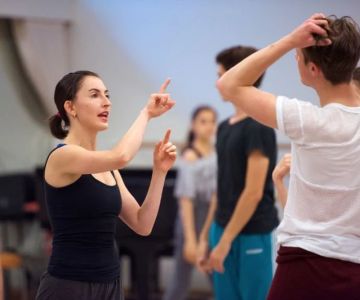
Looking ahead, I believe that the use of neural networks and other advanced technologies will only become more integral to the world of performance art:More Personalized Experiences: As technology improves, we may see more performances tailored to individual audience members, with lighting and sound that change based on the audience’s reactions or even emotions.Enhanced Artistic Collaboration: Future collaborations between dancers, technologists, and AI experts will allow for even more sophisticated integration of technology in performances. I anticipate new ways to use data to create interactive, dynamic experiences that push the boundaries of artistic expression.

Popular Blog Posts

Categories

Top Visited Sites

Top Dance Classes Searches

Trending Dance Stories Posts