
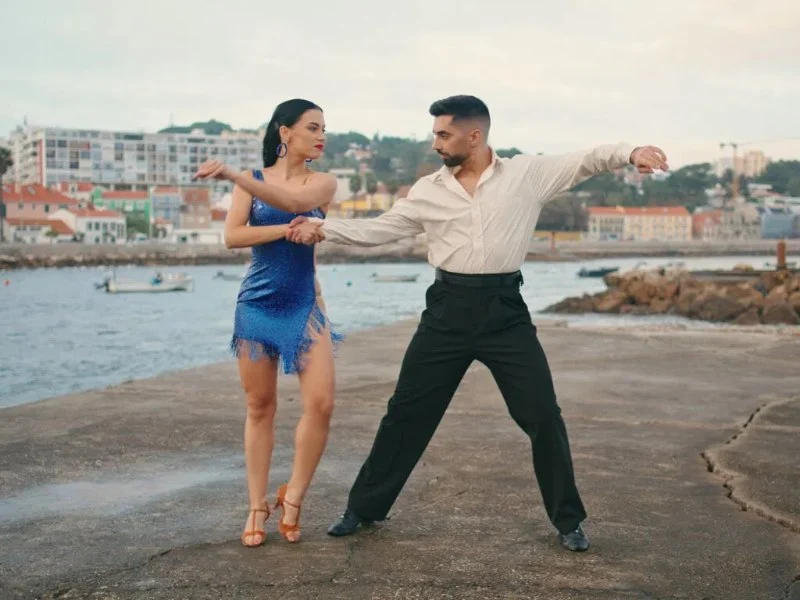
What is Merengue? The Simple yet Fun Partner Dance
- 1. The Origins of Merengue
- 2. Basic Steps and Rhythm
- 3. The Role of Partners in Merengue
- 4. Why Merengue is Ideal for Beginners
- 5. Where to Learn Merengue: Creative Edge Dance Studio
1. The Origins of Merengue
Merengue is a lively and rhythmic partner dance that originated in the Dominican Republic and is widely popular in Latin America and around the world. It is said to have evolved from African and European influences, with roots dating back to the 19th century. Merengue’s upbeat tempo and simple, repetitive movements make it an inviting and fun dance for all skill levels, making it a staple in Latin dance culture.

Adagio Dance Academy / adagio dance
LancasterLancaster CountyPennsylvania
1383 Arcadia Rd, Lancaster, PA 17601, USA
2. Basic Steps and Rhythm
At its core, Merengue features a basic two-step rhythm. Partners move in a simple 1-2 pattern, with each step taken to the beat of the music. The dance is characterized by a steady rhythm, often in a 2/4 time signature, which is easy to follow. The lead (traditionally the man) guides the follower (usually the woman) through the dance by moving them in small, quick steps around the dance floor. Merengue’s simplicity makes it an excellent dance for beginners, with little need for complex footwork or turns.

The Turning Pointe / turning pointe dance studio
ColumbiaRichland CountySouth Carolina
1030 Harden St, Columbia, SC 29205, USA
3. The Role of Partners in Merengue
In Merengue, the connection between partners is essential. Unlike more intricate dances that require a high degree of precision and technique, Merengue is designed to be a fun and social experience. The lead uses subtle pressure on the follower’s hands and arms to guide the movement, and partners are encouraged to maintain a relaxed, fluid connection. This relaxed dynamic allows dancers to focus on enjoying the rhythm, rather than stressing over technicalities. The close connection between partners fosters communication through movement, creating a harmonious and engaging experience for both individuals.
4. Why Merengue is Ideal for Beginners
Merengue is often recommended as one of the best dance styles for beginners. The simple steps, repetitive movements, and consistent rhythm make it easy to pick up, even for those with no prior dance experience. It also offers a low-pressure environment for new dancers to learn the fundamentals of partner dancing, such as timing, coordination, and connection. Whether you're learning for fun or as a way to build confidence on the dance floor, Merengue provides a welcoming introduction to Latin dance.
5. Where to Learn Merengue: Creative Edge Dance Studio
If you're ready to learn Merengue, Creative Edge Dance Studio offers beginner-friendly classes that will guide you step-by-step. The instructors at Creative Edge focus on creating a supportive environment for students, allowing you to enjoy the learning process without feeling overwhelmed. Whether you’re preparing for a special event or simply want to explore the joy of dancing, their professional instructors will help you develop your skills in a fun and engaging way.
Merengue is a lively, accessible, and enjoyable dance that’s perfect for beginners and seasoned dancers alike. Its easy-to-follow steps, engaging rhythm, and strong social elements make it a fantastic choice for anyone looking to dive into the world of Latin dance.
To start your Merengue journey, visit Creative Edge Dance Studio and discover how their classes can help you build confidence, rhythm, and connection with your dance partner!





 Adagio Dance Academy5.0 (6 reviews)
 Dallas Dance Fitness5.0 (10 reviews)
 Serpentine Dance Studio4.0 (28 reviews)
 Dynamic Hammock5.0 (25 reviews)
 Cosmic Movement Dance Academy5.0 (1 reviews)
 Ronnie McLaughlin Dance Studio4.0 (29 reviews)
 The Best Apps for Finding Local Dance Events and Socials
 The Best Dance Styles for Improving Agility and Speed
 How I Designed My First Dance Costume — From Sketch to Stage
 How I Learned to Use Transitional Moves in My Choreography — My Story
 The Role of Costumes in Dance Performance and Identity
 How to Give a Meaningful Compliment to a Fellow Dancer: Tips and Techniques