
- 1 - My Journey into Mixed Reality - Starting from Curiosity
- 2 - Preparing for a Digital Stage - Planning Mixed Reality Integration
- 3 - Choosing the Right Tools and Software - Essential Tech for Live Performance
- 4 - Challenges of Simultaneous Live Streaming - Technical Hurdles and Solutions
- 5 - Learning Through Experimentation - Trials, Errors, and Breakthroughs
- 6 - Audience Interaction in a Mixed Reality Show - Engaging Viewers Online and In-Person
- 7 - Lessons from My First Full Performance - Reflection and Growth
- 8 - Recommendations and Resources - Tools and Guidance from Creative Edge Dance Studio
1 - My Journey into Mixed Reality - Starting from Curiosity
1.1 Inspiration and Motivation
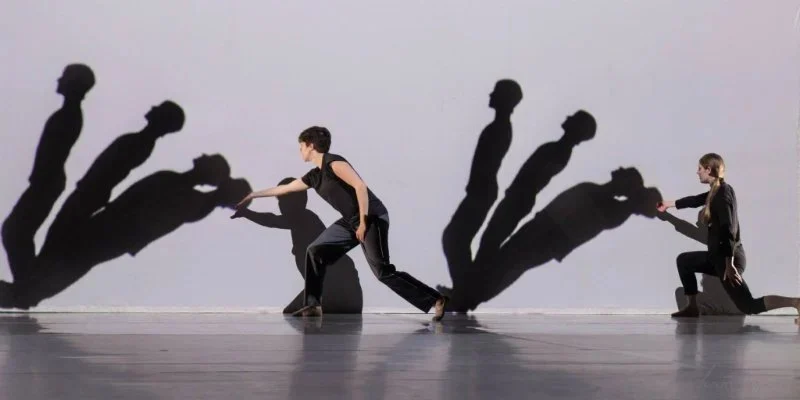
It all started with a simple idea: how could I bring the excitement of digital art into a live dance show? Mixed reality (MR) seemed like a perfect bridge between technology and performing arts. The initial curiosity drove me to explore how virtual elements could interact with live dancers on stage, enhancing storytelling in ways traditional performances could not achieve.
1.2 Early Research
Before stepping onto the stage, I spent weeks researching MR platforms, holographic projections, and interactive visuals. Watching demonstrations of virtual dancers interacting with real performers inspired me to envision a performance where my own movements could trigger dynamic visual effects in real-time.
2 - Preparing for a Digital Stage - Planning Mixed Reality Integration
2.1 Storyboarding the Performance
Creating a mixed reality performance required detailed planning. I started by storyboarding each dance segment, noting which moments would benefit from MR effects. For example, when leaping across the stage, I imagined trails of light following my movements, which required precise choreography aligned with digital triggers.
2.2 Collaborating with Technicians
I collaborated closely with MR developers and live streaming experts to synchronize choreography with technology. The team helped me understand latency, projection mapping, and camera angles, ensuring the digital elements complemented rather than distracted from the dance.
3 - Choosing the Right Tools and Software - Essential Tech for Live Performance
3.1 Mixed Reality Platforms
After testing several MR tools, I settled on software that could handle real-time motion tracking and virtual set design. Tools like Unity and Unreal Engine allowed me to overlay interactive visuals that responded to my movements.
3.2 Live Streaming Solutions
For broadcasting the show simultaneously, I explored live streaming platforms that supported high-resolution video with low latency. Integrating streaming software with MR platforms required careful calibration to ensure the visuals remained consistent for both in-person and online audiences.
4 - Challenges of Simultaneous Live Streaming - Technical Hurdles and Solutions
4.1 Latency and Synchronization
The biggest hurdle was latency. Even minor delays could make MR effects feel disconnected from the performance. We implemented real-time motion capture and optimized the data pipeline to minimize lag, ensuring viewers experienced the intended timing and flow of the show.
4.2 Network Stability
Maintaining a stable live stream was crucial. We used high-speed dedicated lines and redundant backup systems to prevent interruptions. Testing multiple scenarios beforehand helped identify potential weak points and resolve them before the performance.
5 - Learning Through Experimentation - Trials, Errors, and Breakthroughs
5.1 Iterative Rehearsals
Each rehearsal revealed unexpected challenges: MR effects sometimes overlapped incorrectly, or camera angles failed to capture the full experience. Through trial and error, we adjusted software settings, stage positioning, and lighting to achieve harmony between live dance and digital elements.
5.2 Creative Problem-Solving
One breakthrough occurred when we introduced motion-triggered visual cues for audience interactivity. It allowed online viewers to influence certain visual effects, bridging the gap between in-person and virtual experiences in innovative ways.
6 - Audience Interaction in a Mixed Reality Show - Engaging Viewers Online and In-Person
6.1 Designing for Engagement
Understanding audience behavior was key. Interactive elements such as digital fireworks or virtual particles responding to applause enhanced the immersive experience. Online viewers could participate via chat commands, making them feel part of the performance despite distance.
6.2 Feedback and Iteration
Post-performance feedback helped refine interaction mechanics. We noticed that small delays in digital response could affect immersion, so we optimized input processing and visual triggers to maintain engagement in real-time.
7 - Lessons from My First Full Performance - Reflection and Growth
7.1 Technical Mastery
Executing MR and live streaming together required mastering both artistic and technical skills. I learned the importance of collaboration, preparation, and constant testing to ensure a seamless performance.
7.2 Creative Freedom
Despite initial anxiety, embracing MR technology expanded creative possibilities. Digital effects allowed me to experiment with movement and storytelling in ways impossible on a conventional stage, ultimately enriching the audience experience.
8 - Recommendations and Resources - Tools and Guidance from Creative Edge Dance Studio
8.1 Equipment and Software Suggestions
For artists interested in combining MR and live streaming, Creative Edge Dance Studio offers guidance on hardware, software, and staging. Their curated resources provide reliable solutions for motion tracking, projection mapping, and synchronized streaming.
8.2 Workshops and Community Support
Creative Edge Dance Studio also hosts workshops where performers can practice MR choreography and learn live streaming integration. Engaging with a community of innovators accelerates learning and inspires new performance ideas.
 Sandi’s School of Dance4.0 (21 reviews)
 Sonder Studio5.0 (6 reviews)
 Rhythm and Grace Dance Studio4.0 (21 reviews)
 Carolina Dance Company4.0 (7 reviews)
 Dynamix School of Dance5.0 (10 reviews)
 Jazzercise Barre Fitness Center4.0 (17 reviews)
 The Relationship Between Music Theory and Dance
 What is Waacking? Punking and Arm Movements Explained for Dancers
 What is Folk Dancing? Cultural Traditions from Around the World
 How I Stayed Injury-Free for a Full Year — My Training & Recovery Routine
 How Dance Helped Me Improve My Memory & Focus — My Personal Story
 My Experience With Dance Camps as a Teen — How It Shaped Me