
- 1- Getting Started with Music Production
- 2- Why Music Production Is Important for Dance Choreography
- 3- Integrating Music into My Choreography
- 4- Lessons Learned and Enhancing Creativity
- 5- How Creative Edge Dance Studio Helped Me
1. Getting Started with Music Production
As a dancer, I always knew how much music shaped the rhythm and feel of my choreography. However, I had never considered learning how to produce my own tracks. It wasn’t until I started exploring how music production could elevate my routines that I realized the powerful connection between sound and movement. My journey began with curiosity and a desire to bring a fresh, personalized touch to my performances.
Music production, at first glance, seemed intimidating. But after a few online tutorials and diving into beginner-friendly software, I was able to learn the basics. From there, I quickly discovered that creating my own music not only gave me more control over my choreography but also allowed me to better match the music with the emotions and themes I wanted to convey through dance.
2. Why Music Production Is Important for Dance Choreography
Music plays a crucial role in dance choreography. It’s more than just background noise—it’s the heartbeat of every movement, influencing timing, dynamics, and the overall mood of the performance. For dancers like me, being able to create and modify music for routines is incredibly empowering. Music production allows you to shape the soundscape to fit the exact vision you have in mind.
One of the main benefits of integrating music production into dance is the ability to tailor the music to the choreography. In the past, I would often have to adjust my routine to fit pre-existing tracks, but now I can create custom compositions that perfectly complement each step, jump, and twist. This not only gives me a unique advantage as a choreographer but also enhances the audience's experience by providing music that is original and seamlessly linked to the performance.
3. Integrating Music into My Choreography
The process of integrating music into my choreography was a learning curve. At first, I was focused solely on beats and rhythm, but I soon realized that melody, harmony, and dynamics were just as important in setting the right tone. My goal was to create a connection between the movements and the music so that every transition felt organic.
One of the most rewarding aspects was being able to experiment with different genres and sounds. Whether it was blending electronic beats with classical strings or layering ambient sounds with intense percussion, I found that the possibilities were endless. With the ability to control tempo, pauses, and breaks, I could craft moments of suspense or build energy in ways that were previously out of reach.
As I progressed, I began working on combining electronic production with live instruments, which added texture and depth to the music. This hybrid approach allowed me to create a more dynamic auditory experience that matched the complexity of the choreography.
4. Lessons Learned and Enhancing Creativity
Through this journey of learning music production, I realized that the process is not just about creating music; it’s about pushing the boundaries of creativity. The more I explored, the more I understood that music and dance are not separate entities but rather two parts of a whole. The music isn’t just there to accompany the dance—it becomes a part of the dance itself.
One of the key lessons I’ve learned is that creativity thrives when you embrace both the structure and the freedom that music production offers. It’s easy to get caught up in technical details, but sometimes the most unexpected combinations of sounds create the most powerful moments in a performance. I began to experiment more, allowing for spontaneity and intuition to guide the music and choreography.
The integration of music production into my choreography also helped me fine-tune the emotions I wanted to express. For example, a soft, ambient intro can build tension, which I can release with a powerful drop in the music—mirroring the energy shifts in my dance. This level of detail not only makes for an interesting performance but also strengthens the narrative being told through movement and sound.
5. How Creative Edge Dance Studio Helped Me
As I developed my skills in music production, I needed a place where I could refine both my dance techniques and choreography. That’s when I found Creative Edge Dance Studio. Their supportive environment allowed me to experiment with my ideas and provided the tools I needed to enhance my work. The studio has a range of classes focused on choreography, movement, and performance that gave me the confidence to showcase my music-driven routines.
In addition to the technical training, the studio offers a community of like-minded artists who have inspired and motivated me to continue growing. Through their feedback, I’ve been able to sharpen my craft and push my creative limits, which has made my choreography even more impactful. If you're looking for a place to nurture your own artistic growth, I highly recommend checking out Creative Edge Dance Studio for resources and guidance.
 Motif In Movement Studio & Spa5.0 (8 reviews)
 BlueBallRoom Dance Studio4.0 (130 reviews)
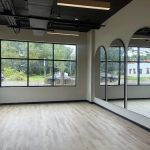 Brilliant DanceSport Studio by Taya & Oleg5.0 (17 reviews)
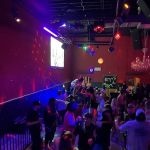 Envy Dance Club3.0 (165 reviews)
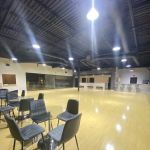 Dance Vision Studios - Frisco4.0 (51 reviews)
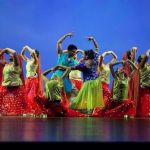 Infused Performing Arts Bollywood Dance School4.0 (44 reviews)
 How I Learned to Teach Chair Dance for Seniors — My Story
 The Best Dance Styles for Men to Build Strength and Confidence
 What is Stepping or Step Dance? Tradition and Teamwork Explained
 How I Found My Unique Dance Style After Trying Every Genre
 What is Dance Therapy? Using Movement for Healing
 How I Chose My Dance Music Playlist — A Behind-the-Scenes Look | Creative Edge Dance Studio