
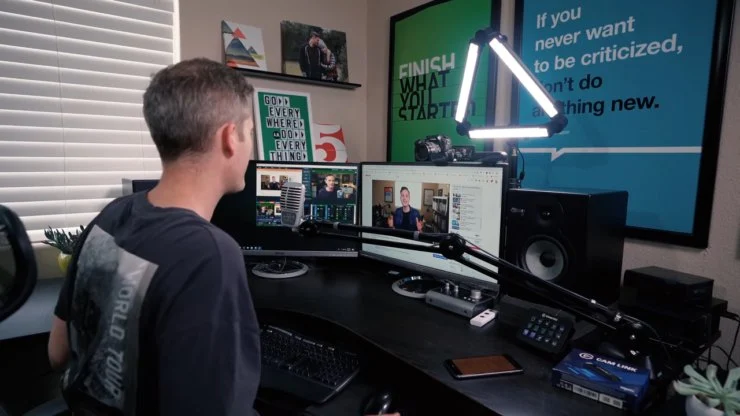
- starting-my-live-stream-journey - The beginning of my first online performance experience
- planning-my-first-live-stream-performance - Creating a preparation strategy before going live
- building-performance-confidence - Overcoming nerves and improving stage presence
- technical-preparation-for-live-stream - Managing cameras, sound, lighting, and online challenges
- practice-routine-before-performance - Developing a focused rehearsal process
- lessons-from-my-first-live-performance - Personal insights and advice for future performers
The Beginning of My First Live Stream Performance Journey
When I first decided to perform online, I thought the biggest challenge would be the dancing itself. I had spent years practicing movements, improving technique, and building confidence in a studio environment. However, preparing for my first live stream performance showed me that performing through a screen creates an entirely different experience.
A traditional stage performance allows you to feel the energy of the audience directly. You can hear reactions, see faces, and adjust your performance based on the atmosphere in the room. A live stream performance is different. You are connecting with people who may be watching from anywhere, but you cannot always see their immediate reactions. This creates a unique challenge that requires preparation beyond just learning choreography.
My first livestream was both exciting and intimidating. I wanted viewers to experience the same passion and emotion that I would bring to a physical stage. At the same time, I worried about small mistakes, technical problems, and whether I could truly connect with an audience through a camera.
Looking back, the preparation process taught me valuable lessons about confidence, creativity, and adaptability. Whether you are a dancer, musician, instructor, or creative performer, preparing for your first live stream performance requires a combination of artistic practice and practical planning.
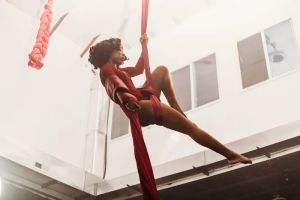
Luna Aerial Dance & Performing Arts / luna aerial
FrederickFrederick CountyMaryland
4750 Winchester Blvd #7, Frederick, MD 21703, USA
1. Understanding That Online Performance Is Its Own Skill
One of the first things I learned was that performing online is not simply a smaller version of performing on stage. The camera becomes the audience, and every movement must communicate clearly through a digital space.
Small details that might be noticed naturally by a live audience may not translate well through a screen. Facial expressions, body angles, timing, and energy become even more important because viewers experience the performance through a limited frame.
This realization changed how I practiced. Instead of only focusing on perfect technique, I started thinking about how my movements appeared from the viewer’s perspective.
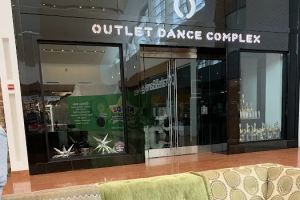
Expressions Dance Co / expression dance studio
AnnapolisAnne Arundel CountyMaryland
Arundel Plaza Shopping Center, 108 Old Solomons Island Rd, Annapolis, MD 21401, USA
Planning My First Live Stream Performance
Before going live, I created a detailed plan. I quickly realized that preparation was not just about memorizing choreography. A successful online performance required organization, scheduling, and attention to details that I had never considered before.
1. Choosing the Right Performance Style
The first decision was choosing what kind of performance I wanted to share. I considered my strengths, the audience I wanted to reach, and the type of energy I wanted to create.
For my first live stream performance, I wanted something that represented my personality rather than simply showing technical ability. A performance should tell a story, even if it happens in a small room instead of a large venue.
This helped me understand that authenticity is one of the most important elements of online performance. Viewers connect with emotion and personality as much as skill.
2. Creating a Realistic Preparation Schedule
One mistake many performers make is waiting until the last minute to prepare. I created a schedule that included choreography practice, physical conditioning, camera tests, and relaxation time.
A balanced routine helped me avoid burnout. Practicing for hours without breaks can actually reduce performance quality because your body becomes tired and your creativity decreases.
My preparation included:
- Reviewing choreography and performance transitions
- Practicing expressions and audience connection
- Testing camera angles and movement space
- Recording practice sessions for self-review
- Planning how to interact with viewers during the stream
3. Learning From Professional Creative Spaces
Training environments can make a major difference when developing performance skills. Studios such as Creative Edge Dance Studio provide structured opportunities for artists to improve technique, creativity, and confidence in performance settings.
Having guidance from experienced instructors and being part of a creative community can help performers understand how to communicate emotion, improve stage presence, and prepare for new performance formats like livestreaming.
Building Confidence Before Going Live
The emotional challenge was one of the biggest parts of preparing for my first live stream performance. Even after practicing many times, I still felt nervous before the camera turned on.
Those feelings were normal. Performing means making yourself visible, and livestreaming can feel even more personal because viewers are watching in real time.
1. Accepting Nervous Energy
At first, I thought being nervous meant I was not prepared enough. Later, I realized nervousness is often a sign that something matters to you.
Instead of fighting those feelings, I learned to use that energy as excitement. The same adrenaline that creates anxiety can also create stronger focus and passion during a performance.
2. Practicing in Front of a Camera
One of the most helpful steps was recording myself during practice. Watching the recordings helped me notice things I could not feel while performing.
I adjusted:
- Facial expressions
- Movement size
- Timing and pacing
- Camera positioning
- Transitions between sections
This process felt uncomfortable at first, but it became one of the fastest ways to improve.
3. Building a Connection With Viewers
A live stream performance is not only about showing skills. It is about creating a shared experience.
Before my first stream, I thought I needed to appear completely perfect. Eventually, I learned that audiences appreciate genuine moments. A smile, a short introduction, or a personal comment can make viewers feel connected.
Preparing the Technical Side of a Live Stream Performance
One of the biggest differences between a regular performance and a livestream is the technology involved. A great performance can lose its impact if the audio is unclear, the lighting is poor, or the camera setup does not capture movement properly.
1. Testing Equipment Before the Event
I learned that technical preparation should happen early, not minutes before going live. Testing everything beforehand reduced stress and allowed me to focus on performing.
Important areas to check included:
- Camera position and viewing angle
- Internet connection stability
- Audio quality
- Room lighting
- Available performance space
2. Creating a Performance-Friendly Space
Many online performers work from home or smaller spaces, which creates unique challenges. I had to think carefully about how much room I needed and how the background affected the viewer experience.
A clean and organized background helped keep attention on the performance. Proper lighting also made movement easier to see and created a more professional appearance.
3. Preparing for Unexpected Problems
Live performances always include uncertainty. Technology can fail, connections can freeze, and unexpected distractions can happen.
Instead of worrying about every possible problem, I prepared backup solutions. Having a simple plan for technical issues made me feel more confident.
My Practice Routine Before the Big Day
Practice was the foundation of my preparation. However, I learned that effective practice is not about repeating the same thing endlessly. It is about practicing with purpose.
1. Breaking the Performance Into Sections
I divided the routine into smaller sections and focused on improving one area at a time. This made the entire performance feel more manageable.
For difficult sections, I slowed down movements, corrected details, and gradually increased speed.
2. Practicing the Full Performance
After working on individual sections, I practiced the complete performance from beginning to end.
Full run-throughs helped me understand pacing, energy levels, and how to maintain confidence throughout the entire stream.
3. Taking Care of My Body
Physical preparation was just as important as technical practice. Proper stretching, hydration, rest, and nutrition helped my body perform at its best.
Many performers focus only on skill development but forget that the body needs recovery to maintain quality.
Lessons I Learned From My First Live Stream Performance
After completing my first livestream, I realized that the experience taught me much more than performance techniques. It taught me how to adapt, communicate, and trust my preparation.
1. Perfection Is Not the Goal
Before the event, I worried about making mistakes. Afterward, I realized viewers were not searching for perfection. They wanted an authentic experience.
A small mistake does not define a performance. How you recover, continue, and share your passion matters much more.
2. Preparation Creates Freedom
Some people believe preparation limits creativity, but my experience showed the opposite. The more prepared I was, the more freedom I had to enjoy the moment.
Because I trusted my practice, I could focus on connecting with viewers instead of worrying about every detail.
3. Every Performance Is a Learning Experience
My first live stream performance was not the end goal. It was the beginning of a new way to share creativity.
Each performance provides new information. You learn what works, what can improve, and how to become a stronger performer.
Final Thoughts on Preparing for a First Live Stream Performance
Preparing for my first live stream performance was a journey filled with excitement, uncertainty, and personal growth. I discovered that successful online performances require more than talent. They require planning, confidence, technical awareness, and a willingness to connect with people in a new way.
Whether you are preparing for your first dance livestream, music session, creative workshop, or virtual event, remember that the audience wants to experience your passion. Preparation gives you confidence, but authenticity creates connection.
My biggest lesson was simple: the goal is not to create a flawless performance. The goal is to create a memorable moment that allows your creativity to reach others.
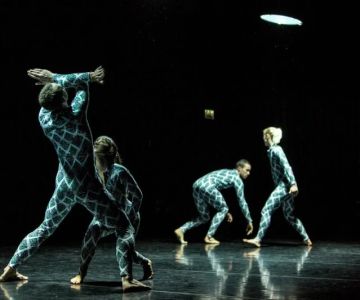
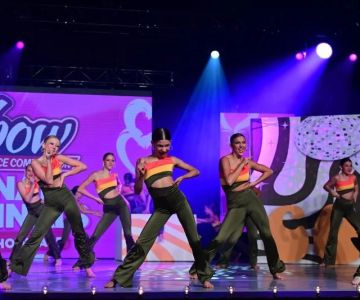
 Dance With Marie4.0 (10 reviews)
 Brandywine Ballet Co5.0 (2 reviews)
 Dil Se Dance Company5.0 (16 reviews)
 G K Dance Co5.0 (6 reviews)
 Candy Crocker School of Dance4.0 (24 reviews)
 Artistic Dance Academy5.0 (32 reviews)
 My Story of Learning to Dance with a Disability and What I Discovered
 How I Learned to Use Costume Changes Mid-Performance — My Story
 How I Handled Dance Rehearsals and Burnout — My Real Story
 How I Used Dance to Build My Leadership Skills — My Story
 My Experience With Dance for Stress Relief: A Real Story of Transformation
 How I Built Confidence to Lead a Dance Masterclass — My Personal Journey