
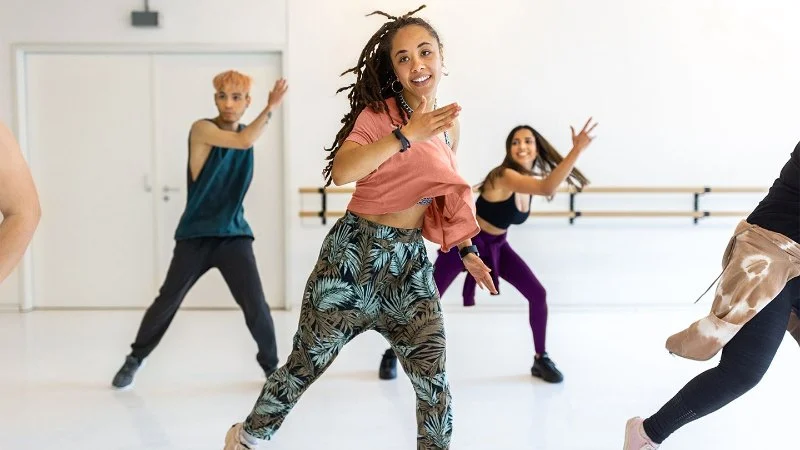
How to Find a Dance Class That is Accessible for All
- 1- Importance of Accessibility in Dance Classes
- 2- Key Features of an Accessible Dance Class
- 3- How to Identify Inclusivity in Dance Programs
- 4- Real-Life Stories of Accessible Dance Classes
- 5- Finding the Right Dance Studio for You
1. Importance of Accessibility in Dance Classes
Accessibility in dance classes is essential for creating an inclusive environment where all individuals, regardless of their background, physical abilities, or experience level, can participate. Whether you're a beginner or someone with specific needs, an accessible dance class ensures that everyone has the opportunity to express themselves through movement.
For many people, dancing is not just an art form but a way to connect with others, boost confidence, and improve overall well-being. Accessibility helps break down barriers and encourages people from all walks of life to enjoy and benefit from dance. This is especially crucial in a diverse and inclusive society where everyone should have equal access to cultural and artistic experiences.

Rock City Dance Center - Conway / rock city dance center conway
1058 Front St #102, Conway, AR 72032, USA
2. Key Features of an Accessible Dance Class
When looking for a dance class that is accessible for all, several factors need to be considered to ensure inclusivity. Here are some key features to look out for:
- Physical Accessibility: Ensure that the dance studio is wheelchair accessible and that there are no obstacles that may prevent individuals with mobility challenges from attending. Ramps, elevators, and wide doorways are essential for making the space usable for all participants.
- Adapted Instruction: A dance instructor who is trained in adapting their teaching methods to suit all abilities, including those with physical or developmental disabilities, is crucial. The instructor should be able to modify movements to suit various needs while still maintaining the integrity of the dance form.
- Comfortable and Safe Environment: Creating a welcoming environment that promotes confidence is essential. Classes should be taught in a way that makes students feel comfortable, safe, and encouraged to try new movements at their own pace.
- Diverse Class Options: Offering a variety of classes, including different genres of dance (e.g., contemporary, hip hop, ballet), ensures that participants can choose a style they feel most comfortable with, helping them stay engaged and excited to learn.
3. How to Identify Inclusivity in Dance Programs
Identifying inclusivity in dance programs involves recognizing both the physical space and the ethos of the program. Here are a few ways to assess inclusivity:
- Instructor Training: Check if the dance instructors have received training in teaching students with different physical or cognitive abilities. Some studios offer certifications in inclusive teaching practices or adaptive dance training.
- Programs for All Levels: Accessible dance programs should cater to all skill levels, from absolute beginners to advanced dancers. If the program offers flexible learning paths and doesn't exclude individuals based on their experience, it's a good indicator of inclusivity.
- Inclusive Language: Pay attention to how the program communicates with its students. An inclusive dance program uses language that is welcoming and avoids terms that might alienate certain groups of people.
- Positive Feedback: Look for reviews and testimonials from people who have attended the classes. Positive feedback from individuals with various backgrounds and abilities is a strong sign that the class is truly inclusive and accessible.
4. Real-Life Stories of Accessible Dance Classes
One inspiring example of an accessible dance class is the Dance for All Program in New York City. This program was designed to help individuals with physical disabilities experience the joy of dance. Participants are encouraged to explore movement and rhythm through creative exercises that adapt to their individual needs. Instructors use adaptive equipment and modify routines to ensure everyone can participate, regardless of their physical limitations.
Another great example is the Inclusive Dance Initiative in Los Angeles, which offers dance classes for people with autism and other developmental disabilities. Through a combination of visual aids, tactile cues, and specialized instruction, these classes allow students to engage in dance while building social skills, motor coordination, and confidence.
These real-life examples highlight how accessible dance classes not only teach movement but also build community, foster self-expression, and promote inclusivity.
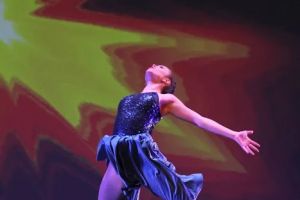
EMC Performing Arts Studio / emc performing arts
New FreedomYork CountyPennsylvania
101 W Main St, New Freedom, PA 17349, USA
5. Finding the Right Dance Studio for You
To find a dance class that is accessible for all, start by doing research in your local area. Look for dance studios that prioritize inclusivity and offer adaptive programs. Websites like Creative Edge Dance Studio provide comprehensive listings of dance studios and classes that cater to individuals of all abilities. When you find a potential class, don't hesitate to visit the studio, meet with the instructor, and ask questions about how they accommodate different needs.
Remember, a good dance class should make you feel comfortable and empowered. It should help you develop your skills, whether you're dancing for fun, fitness, or personal growth, while ensuring that you can engage fully without feeling left out.
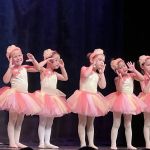 Starpath Dance Academy5.0 (16 reviews)
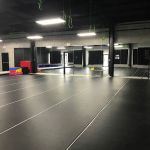 Imperial Athletics4.0 (33 reviews)
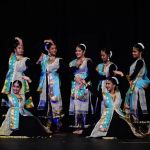 Arpan Dance Academy LLC4.0 (53 reviews)
 Dance Move Collection0.0 (0 reviews)
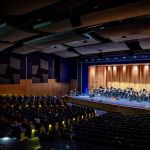 Germantown School District Performing Arts Center5.0 (14 reviews)
 Chakaboom Fitness4.0 (18 reviews)
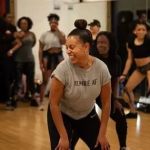 5 Things Nobody Tells You About Taking Beginner Dance Classes
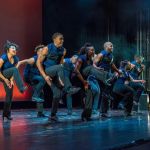 What is Stepping or Step Dance? Tradition and Teamwork Explained
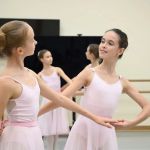 The Future of Dance Classes: Hybrid Models and Tech Integration
 What is Krump? An Emotional and Energetic Dance Form
 The Role of Costumes in Dance Performance and Identity
 htmlCopy codeHow I Learned to Teach Social Dance at Weddings — My Story