
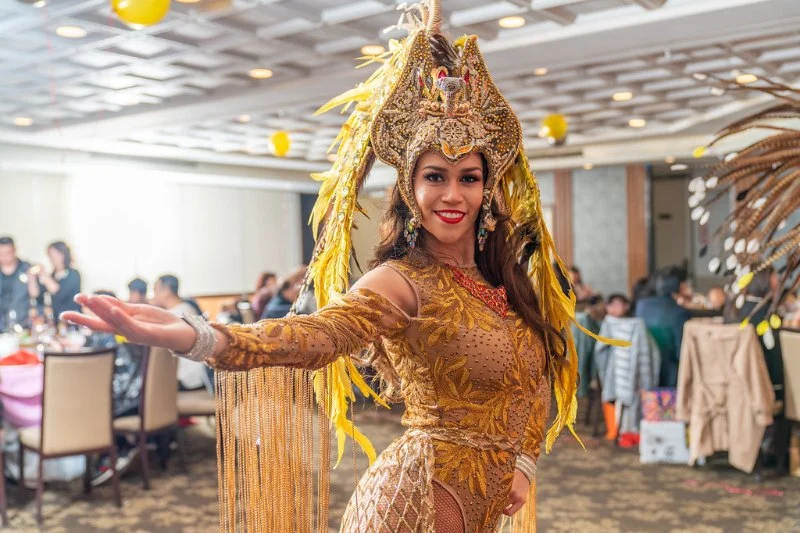
What is Samba No Pé? Understanding the Brazilian Carnival Solo Dance
When you think of Brazilian Carnival, the first image that likely comes to mind is the energetic, rhythmic movement of dancers dressed in colorful costumes. At the heart of this vibrant celebration is Samba No Pé, a captivating solo dance that has become an iconic symbol of Brazilian culture. But what exactly is Samba No Pé, and what makes it so special? In this article, we'll explore the origins, key characteristics, and the electrifying energy of Samba No Pé, along with how it plays a central role in Brazilian Carnival.
Virginia Ballet Company & School / virginia ballet company
5595 Guinea Rd, Fairfax, VA 22032, USA
The Origins of Samba No Pé
Samba No Pé is a solo style of Samba dance that originated in Brazil, deeply intertwined with the country’s history, culture, and African heritage. Samba itself is a dance that developed from African rhythms and traditions brought to Brazil by enslaved Africans during the colonial period. Over time, Samba evolved into a popular dance style that encompasses various forms, with Samba No Pé emerging as one of the most dynamic and widely recognized solo styles.
Samba No Pé was popularized during the Brazilian Carnival, particularly in Rio de Janeiro, where dancers would take to the streets and parade in the Sambadrome during Carnival. The word "pé" in Portuguese means "foot," and this dance is characterized by rapid footwork, fluid hip movements, and expressive arm gestures, making it a thrilling and visually spectacular solo performance.
The Dance Connection / the dance connection
WaterfordCamden CountyNew Jersey
386 White Horse Pike, Atco, NJ 08004, USA
Key Characteristics of Samba No Pé
Samba No Pé is known for its fast, rhythmic footwork and the ability of the dancer to seamlessly blend speed and grace. The movements are designed to reflect the spirit of Carnival: joyful, carefree, and full of energy. Let's break down the key components of Samba No Pé:
1. Footwork and Rhythmic Precision
The core of Samba No Pé lies in the intricate footwork. Dancers typically move their feet in quick, precise steps while maintaining the rhythm of the music. The most recognizable step in Samba No Pé is the "Samba Step," where the dancer shifts their weight from one foot to the other, often with a slight bounce, creating a dynamic, lively movement. The speed and coordination required to execute these steps make the dance both challenging and exhilarating.
2. Hip and Body Movement
One of the defining features of Samba No Pé is the fluid movement of the hips and upper body. As the dancer’s feet move quickly, their hips sway and rotate in time with the music. This combination of quick footwork with flowing body movements creates a stunning visual effect, showcasing the dancer’s skill and control. The ability to isolate the hips and torso while maintaining the intricate footwork is what sets Samba No Pé apart from other dance forms.
3. Expressiveness and Connection to the Music
Samba No Pé is a highly expressive dance, with dancers often using their arms and facial expressions to communicate the joy and celebration of Carnival. The music, usually involving fast-paced rhythms with strong percussion, inspires the dancers to interpret and embody the spirit of the beats. The energy of the dance flows from the music, and the dancer’s movements are an emotional expression of the festive atmosphere.
Samba No Pé in Brazilian Carnival
Brazilian Carnival is one of the largest and most celebrated festivals in the world, and Samba No Pé is one of the most important elements of the festivities. During Carnival, Samba No Pé dancers perform in grand parades, competing in the Sambadrome in Rio de Janeiro, where samba schools from all over the city showcase their elaborate costumes and intricate choreography.
What makes Samba No Pé stand out during Carnival is the emphasis on solo performances, where dancers are often spotlighted individually. Each dancer’s unique style shines through, as they improvise their movements to the music, engaging the crowd and adding to the collective energy of the parade. The creativity and passion expressed through Samba No Pé is a central part of what makes Brazilian Carnival such a captivating and joyful event.
Learning Samba No Pé: How to Get Started
If you’re inspired by the vibrant energy of Samba No Pé and want to try it for yourself, learning this dynamic dance can be a rewarding experience. While Samba No Pé may seem intimidating at first, with its fast footwork and precise movements, anyone can start learning with the right approach and practice.
1. Start with the Basics: Footwork and Timing
The first step to learning Samba No Pé is to get familiar with the basic footwork. Practicing the basic Samba step, also known as the "Samba no Pé Step," will help you build the foundation for more advanced movements. It’s important to focus on your timing and precision, as Samba is all about rhythm. Start slowly and build up speed as you become more comfortable with the steps.
2. Take a Samba Class
Joining a dance class is a great way to learn Samba No Pé in a structured environment. Many dance studios offer Samba and Brazilian dance classes, where you can work with experienced instructors who can guide you through the movements and techniques. Creative Edge Dance Studio is a great place to begin your Samba journey, offering beginner-friendly classes where you can learn Samba No Pé in a supportive, energetic environment.
3. Practice, Practice, Practice
Like any dance, mastering Samba No Pé requires consistent practice. Start by practicing in front of a mirror to check your form and footwork. Once you feel comfortable with the basic movements, try to add more fluidity and expression to your dance. Watch videos of professional dancers at Carnival to see how they interpret the rhythm and incorporate their unique styles into the performance.
Why Samba No Pé is Worth Learning
Learning Samba No Pé offers more than just mastering a dance form—it provides a connection to Brazilian culture, history, and the joyous spirit of Carnival. The dance encourages self-expression, helps improve coordination and rhythm, and is a fun way to stay active. Whether you want to perform at Carnival or simply enjoy the energetic beats of Samba, learning this dance will enrich your cultural knowledge and expand your dance repertoire.
If you’re ready to dive into the world of Samba No Pé and want expert guidance, visit Creative Edge Dance Studio, where our experienced instructors can help you master the steps and feel the rhythm of this exciting Brazilian dance style. From beginner to advanced levels, our studio offers a supportive environment where you can embrace the spirit of Samba No Pé.
 Joyful Sounds Music Studio - Music Together4.0 (20 reviews)
 DSA Artistic Rhythmic Gymnastics4.0 (49 reviews)
 Infinite Dance Studio, LLC5.0 (19 reviews)
 Tangent Gallery & Hastings Street Ballroom4.0 (245 reviews)
 Karen Peterson and Dancers5.0 (1 reviews)
 Sugar Land Dance Center4.0 (54 reviews)
 The Best Social Dances to Learn for Weddings and Parties: Dance Like a Pro
 What is a Dance Marathon? Fundraising and Endurance Events
 My Story of Teaching My First Hip-Hop Class to Kids — What It Was Like
 How to Find a Dance Class with a Diverse Group of Students | Tips for an Inclusive Experience
 Dealing with Frustration and Plateaus in Your Dance Journey | Overcome Challenges
 How to Build Your Dance-Related Side Business: My Journey and Tips