
Dance Costume Fitting: A Rehearsal-Ready Checklist
Table of contents
Quick answer
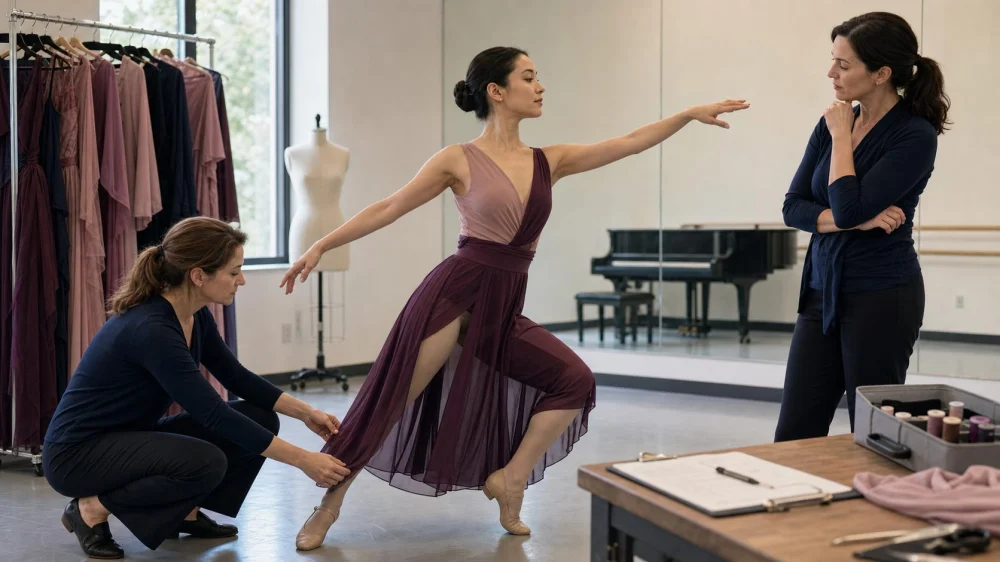
A dance costume should stay secure through the choreography without restricting breathing, vision, circulation, partnering, or floor contact. Fit it with the exact shoes, underlayers, hair, and accessories planned for performance. Start with slow movement, then test selected choreography under teacher or costume-team supervision. Remove loose pins and temporary clips before dancing, document every alteration, and schedule a full dress rehearsal early enough to fix hems, closures, noise, transparency, or quick-change problems.
Touch of Class Dance / touch of class dance
DowningtownChester CountyPennsylvania
150 E Pennsylvania Ave, Downingtown, PA 19335, USA
Fit for movement, not just appearance
A costume can look correct while standing and fail during a turn, jump, lift, kneel, or floor phrase. Check shoulder and hip range, waist and neck pressure, sleeve and pant length, skirt travel, fabric recovery, and whether the garment shifts when arms rise. Dancers should be able to breathe normally and see the floor and partners. Any numbness, pinching, dizziness, skin reaction, or restricted movement needs attention before rehearsal continues.

Petroleum Club of Shreveport / petroleum club shreveport
ShreveportCaddo ParishLouisiana
416 Travis St # 1500, Shreveport, LA 71101, USA
Use a staged movement test
- Begin with walking, breathing, arm reach, plié, and gentle weight shifts.
- Add turns, kicks, floor transitions, jumps, and partner shapes at reduced speed.
- Test the fastest or widest movement that stresses the costume.
- Check front, back, side, and overhead views with consent.
- Repeat after several minutes to detect sliding, stretching, heat, or sweat effects.
- Stop for restriction, exposure, sharp contact, loose hardware, or unstable footwear.
Check fasteners, hems, and trims
Zippers, hooks, snaps, magnets, ties, elastic, and hook-and-loop closures should stay secure without pressing into skin or partners. Hems must clear shoes and floorwork. Fringe, beads, sequins, feathers, capes, and jewelry can catch fingers, costumes, props, or scenery and may shed on the floor. Pins and clips used during fitting are not performance fasteners. The costume team should use appropriate finished alterations and inspect high-stress seams.
Coordinate shoes and underlayers
Fit with the performance shoes because heel height, sole, straps, and ankle coverage change hem and movement. Confirm tights, socks, dance belts, bras, modesty garments, padding, and microphones before final measurements. Underlayers should remain secure and avoid visible seams or friction where possible. Test how fabric looks under representative stage light and camera exposure, since color and transparency can differ from the fitting room.
Plan quick changes and privacy
Map who helps, where the change occurs, which closure opens first, how pieces are labeled, and where removed items go. Rehearse at a calm pace before timing it. Provide privacy screens, appropriate assistants, secure storage, and a clear process for minors and vulnerable dancers. Do not use public hallways, blocked exits, or dark stairways. Build enough time so a stuck closure does not pressure dancers into unsafe running or skipped checks.
Fitting checklist
Record dancer name, role, costume piece, size, exact shoes, underlayers, accessories, measurements, movement tested, alteration needed, assigned maker, due date, closure order, quick-change helper, privacy plan, repair kit, cleaning instructions, and final approval. Photograph the fit only with permission and limit access. Label every piece without exposing unnecessary personal information and keep a backup plan for failed fasteners or damaged garments.
Limits and safety notes
This general U.S. dance guidance does not replace a qualified costume professional, instructor, stage manager, healthcare provider, safeguarding policy, or venue rules. Alteration needs differ by garment, body, choreography, partnering, and production. Do not dance in loose pins, damaged shoes, restrictive neck pieces, impaired vision, unstable hardware, or a costume that causes symptoms. Stop and seek appropriate help for injury, breathing difficulty, allergic reaction, faintness, or severe pain.
Evidence notes
The best evidence is a documented fit test using the actual performance combination and representative choreography. Still photos show appearance, while video with consent can reveal shifting, catching, and hem movement. A written alteration log connects each problem to a responsible person and due date. Full dress rehearsal adds lighting, floor, partner, prop, sound, and quick-change conditions that a fitting-room pose cannot reproduce.
Frequently asked questions
Should a costume feel tighter so it stays on?
Not automatically. Security must be achieved without restricting breathing, circulation, or movement.
Can safety pins stay in for rehearsal?
Loose fitting pins are not safe movement fasteners. Use a completed alteration approved by the costume team.
When should shoes be added to the fitting?
From the start of final fit and hem checks, because footwear changes height, movement, and garment clearance.
How do we test transparency?
Use planned underlayers and representative lighting with privacy, consent, and authorized production staff.
What belongs in a costume repair kit?
Production-approved spare fasteners, thread, tape, labels, and tools handled by trained staff, not loose items carried onstage.
Next steps
Schedule a fitting with exact shoes and underlayers, test movement gradually, record every problem, complete permanent alterations, and run a full dress rehearsal. Confirm quick-change helpers and privacy, remove all temporary pins and clips, inspect floors for shed trim, and prepare an approved backup or repair plan before performance day.
 Baltimore Dance Center Inc4.0 (10 reviews)
 Anytime Swingline & Dance Pro4.0 (17 reviews)
 Latin Dance Factory5.0 (4 reviews)
 Tumble Express Gymnastics4.0 (17 reviews)
 Jazzercise West Hartford5.0 (20 reviews)
 Houston Dance center5.0 (7 reviews)
 How I Found the Right Dance Studio for Me — A Guide Based on My Search
 How Dance Can Improve Your Creativity in Other Areas of Life
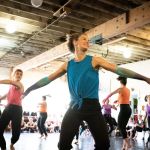 My Journey With Dance and Community Outreach: Empowering Through Movement
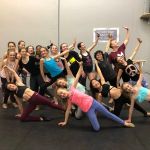 The title is clear, concise, and optimized for search engines while matching the article’s content.
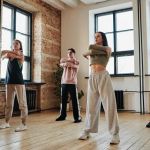 What is a Dance Workshop and Should You Take One? | Benefits of Dance Workshops
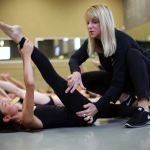 My Experience With Dance and Mindset Coaching for Personal Growth