- 1 - Early-Journey-Discovering-Intergenerational-Dance
- 2 - Teaching-Challenges-and-Learning-Curve
- 3 - Strategies-for-Successful-Dance-Exchanges
- 4 - Real-Life-Cases-and-Impact
- 5 - Personal-Reflections-and-Insights
- 6 - Creative-Edge-Dance-Studio-Resources
1. Early Journey: Discovering Intergenerational Dance
My journey into teaching intergenerational dance exchanges began unexpectedly. I was leading a small community dance workshop in my hometown in the Midwest when an older participant, Mrs. Thompson, joined alongside her teenage grandson. I quickly realized that the differences in rhythm, energy, and even understanding of dance terminology between age groups presented both challenges and opportunities. This initial experience sparked my curiosity to explore how dance could bridge generations, fostering not only physical coordination but also emotional connections.
The concept of intergenerational dance was new to me. Most of my previous teaching experience focused on a single age group. Here, I faced the delicate task of designing exercises that were engaging and safe for both older adults and younger dancers. I had to study movement styles, adapt choreography, and think creatively about music choice, pacing, and communication techniques. Little did I know, this experiment would evolve into a passion that shaped my teaching philosophy.
2. Teaching Challenges and Learning Curve
Teaching across generations is not without hurdles. One of the biggest challenges I faced was the variation in physical capability. Teenagers might learn a sequence quickly, while older adults often require more time and gentle guidance. To manage this, I developed layered instruction methods, demonstrating movements in progressive steps and allowing participants to practice at their own pace.
Communication also required adjustment. Language and references that resonate with one generation might feel foreign to another. For instance, using modern pop culture references to explain rhythm could confuse older adults, while traditional songs might feel slow or outdated to younger dancers. Balancing these differences became an essential part of my approach, helping everyone feel included and motivated.
Patience and observation became my tools. I started maintaining informal journals, noting which techniques and musical selections facilitated the best engagement. Over time, I realized that intergenerational dance exchanges demand more than technical skill—they require empathy, adaptability, and a genuine curiosity about each participant's world.
3. Strategies for Successful Dance Exchanges
3.1 Customized Warm-Ups
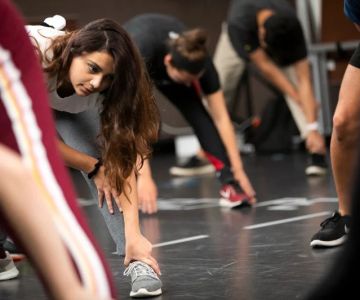
A well-structured warm-up is crucial to prepare bodies of different ages and abilities. I developed exercises that increased flexibility, balance, and cardiovascular readiness while remaining gentle for older adults. Using partner-based stretches and mirrored movements, participants could connect physically and socially, establishing a sense of community from the start.
3.2 Inclusive Choreography
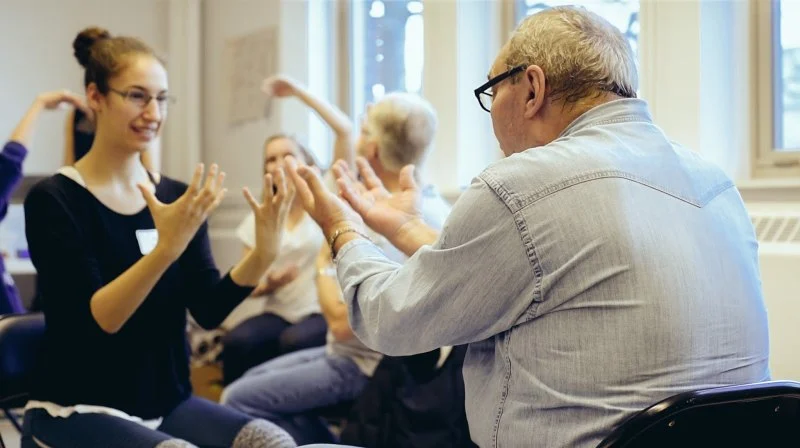
Choreography in intergenerational dance must be adaptable. I focused on modular routines where movements could be scaled up or simplified without affecting the overall flow. For example, a hand gesture sequence could be performed in small steps by elders while younger participants executed more dynamic versions. This approach maintained energy and participation without isolating anyone.
3.3 Music Selection and Storytelling
Music plays a vital role in connecting generations. I often combine classic tunes that older dancers recognize with contemporary rhythms to keep teenagers engaged. Additionally, integrating storytelling into choreography allows participants to share personal experiences, creating a meaningful, shared narrative through movement.
3.4 Encouraging Peer Mentorship
Peer mentorship emerged as an unexpected benefit. Teens often helped older adults learn more complex sequences, while elders offered wisdom and guidance in rhythm and expression. This reciprocal learning created a supportive environment, reinforcing mutual respect and understanding across age groups.
4. Real-Life Cases and Impact
One memorable example was a holiday-themed dance exchange at a local community center. We paired high school students with senior residents to create a festive routine. Initially, there was hesitation on both sides—teens were unsure how to slow down for seniors, while elders feared falling behind. Through consistent guidance and structured exercises, the pairs not only learned the routine but formed lasting friendships. Some participants even continued meeting weekly to dance and share stories.
Another notable instance involved a workshop where adults with mobility challenges joined teenagers in a fusion of contemporary and folk dances. I noticed significant improvements in confidence, social interaction, and overall well-being among participants. This reinforced my belief that intergenerational dance is more than an art form; it is a tool for community building and emotional connection.
5. Personal Reflections and Insights
Reflecting on my journey, I recognize that teaching intergenerational dance exchanges is as much about listening as it is about instructing. Each generation brings unique perspectives, movement patterns, and stories that enrich the learning environment. My role became one of facilitation—curating experiences that encourage mutual understanding and shared joy.
Additionally, I learned that flexibility and empathy are crucial. Rigidly adhering to choreography or timelines can stifle creativity and enjoyment. Allowing space for improvisation, personal expression, and dialogue transforms dance into a living, evolving exchange between generations.
Finally, documenting successes and challenges is vital. I regularly share insights through workshops, blogs, and mentorship programs. This not only helps other instructors develop their skills but also creates a growing community of educators committed to promoting intergenerational learning through dance.
6. Creative Edge Dance Studio Resources
For those inspired to explore intergenerational dance, Creative Edge Dance Studio offers tailored programs for learners of all ages. Their workshops and classes emphasize connection, creativity, and skill development, providing a safe and encouraging environment for intergenerational exchanges.
Whether you are a beginner looking to improve basic coordination or an experienced dancer seeking to facilitate multi-age classes, Creative Edge Dance Studio provides expert guidance, lesson plans, and resources to make intergenerational dance both enjoyable and meaningful. Through their support, communities can experience the transformative power of shared movement and artistic collaboration.
Ultimately, teaching intergenerational dance is a journey of continuous learning, empathy, and joy. By embracing differences, adapting teaching strategies, and fostering a sense of shared accomplishment, instructors can create experiences that resonate deeply with participants of all ages.
 Blanchard School of Dance0.0 (0 reviews)
 Jazzercise4.0 (47 reviews)
 Adrenaline Dance Convention and Competition5.0 (3 reviews)
 Ballet Elite - New School of Dance & Arts5.0 (17 reviews)
 Culture Shock Performing Arts Center5.0 (113 reviews)
 Deary's Gymnastics4.0 (24 reviews)
 How I Learned to Adapt My Dance Practice When Time Was Tight — My Story
 What is Twerking? Cultural Roots and How to Learn Safely
 What It's Really Like to Take a Ballroom Dance Class as a Young Person
 Best Dance Styles for Men to Build Strength and Confidence | Creative Edge Dance Studio
 The Etiquette of Dance Classes: Unwritten Rules You Should Know
 How to Create a Dance Practice Schedule That You'll Actually Stick To