
- -preparing-for-dance-competitions - Planning and logistical preparation for competitions
- -emotional-support-for-my-child - Nurturing confidence, handling nerves, and encouragement
- -navigating-competition-day - Arrival, warm-up routines, and backstage support
- -interacting-with-coaches-and-studio - Collaboration with instructors and Creative Edge Dance Studio guidance
- -managing-parent-stress - Personal strategies for maintaining calm and positivity
- -celebrating-successes-and-learning-from-losses - Recognizing achievements and teaching resilience
- -lessons-learned-and-advice-for-other-parents - Insights and guidance for supporting children in dance competitions
Preparing for Dance Competitions
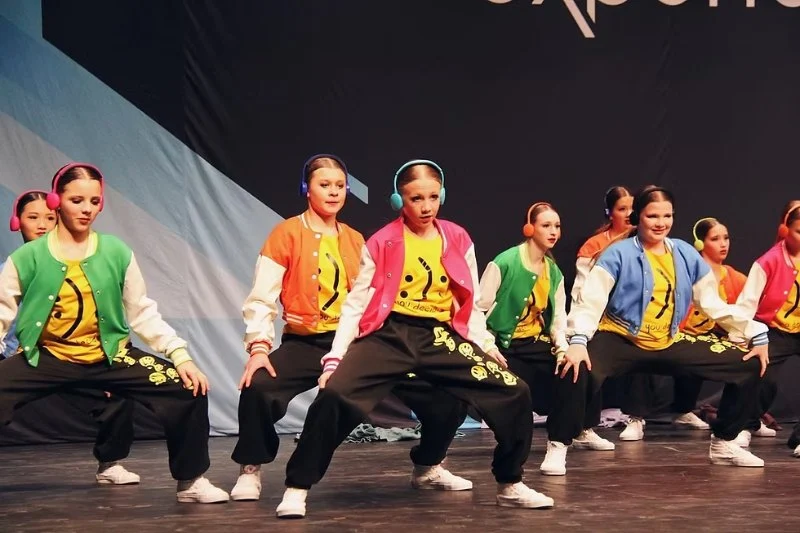
My journey as a parent supporting my child in dance competitions began with the realization that preparation is everything. Each competition requires meticulous planning, from coordinating costumes and shoes to understanding the rules and schedules. At Creative Edge Dance Studio, we emphasized thorough rehearsal schedules, ensuring my child felt confident with every routine and transition.

Next Step Dance / the next step dance studio
10850 Frisco St #200, Frisco, TX 75033, USA
1. Organizing Costumes and Accessories
Costumes often take weeks to perfect, and I learned quickly that attention to detail matters. Matching shoes, ensuring proper fit, and preparing emergency sewing kits became part of my standard routine. These small preparations significantly reduce stress on competition day.

2. Rehearsal and Practice Strategies
Regular rehearsals at the studio were crucial. We focused on not only technique but also stamina, confidence, and adaptability. Understanding that children might feel nervous or distracted, we incorporated breaks and fun practice methods to maintain engagement and enthusiasm.
Providing Emotional Support for My Child
Supporting a child in competitions is as much emotional as it is logistical. Dance competitions can be high-pressure environments, and my role was to nurture confidence, resilience, and a positive attitude.
1. Encouragement Over Criticism
Before each performance, I focused on positive reinforcement rather than pushing perfection. Praising effort, creativity, and improvement helped my child approach the stage with a healthy mindset rather than fear of mistakes.
2. Handling Nerves
Pre-performance nerves were common. Simple strategies, such as deep breathing exercises, motivational reminders, and sharing personal anecdotes from my own challenges, helped my child gain composure and excitement rather than anxiety.
Navigating Competition Day
Competition day requires coordination, patience, and adaptability. From arrival to warm-up, every detail contributes to a smooth experience.
1. Arriving and Settling In
We always arrived early to allow time for check-in, costume adjustments, and familiarization with the stage. Establishing a calm and organized routine helped both my child and myself feel prepared.
2. Warm-Up and Focus Techniques
Backstage warm-ups included stretching, mini rehearsals, and visualization exercises. I encouraged my child to focus on the joy of dancing rather than comparison with other competitors.
3. Supporting Backstage
Being present without hovering was key. Simple gestures like handing water, helping with quick adjustments, or offering a reassuring smile provided support while respecting my child’s space and independence.
Collaboration With Coaches and Creative Edge Dance Studio
Effective communication with instructors was critical. The coaches at Creative Edge Dance Studio guided preparation, provided feedback, and offered strategies for stage presence. Our collaboration ensured that my child’s performance was polished, confident, and reflective of hard work.
1. Aligning on Goals
Before competitions, we discussed objectives beyond winning, such as building confidence, mastering new techniques, and enjoying the experience. Aligning these goals with coaches helped reduce performance pressure.
2. Receiving Constructive Feedback
Post-performance feedback from coaches was essential for growth. I learned to convey observations in a supportive way, emphasizing learning opportunities rather than dwelling on errors.
Managing Parent Stress
Parenting through competitions can be emotionally taxing. I found it crucial to manage my stress to remain a positive presence for my child.
1. Planning Ahead
Creating detailed schedules, packing necessities, and anticipating potential challenges reduced last-minute panic and allowed me to focus on support rather than logistics alone.
2. Mindfulness and Patience
Maintaining calm required mindfulness practices such as breathing exercises, brief walks, and supportive conversation with other parents. Observing the excitement rather than stressing over minor setbacks made the experience enjoyable.
Celebrating Successes and Learning From Losses
Every competition provides opportunities for celebration and learning. I emphasized recognizing effort, creativity, and growth rather than focusing solely on placement or awards.
1. Recognizing Achievements
Small milestones, like mastering a new routine or performing confidently on stage, were celebrated at home and studio events. Acknowledging these moments encouraged long-term passion for dance.
2. Teaching Resilience
Not every performance goes perfectly, and competitions are an opportunity to learn how to handle setbacks. Discussing challenges openly, brainstorming solutions, and emphasizing perseverance built resilience and self-confidence in my child.
Lessons Learned and Advice for Other Parents
Supporting a child in dance competitions has been a deeply rewarding experience. Key takeaways include:
1. Prioritize Emotional Support
Your role is to nurture confidence and enjoyment. Praise effort and creativity over outcomes to cultivate a healthy approach to performance.
2. Collaborate With Coaches
Strong communication with instructors ensures consistent guidance, reduces misunderstandings, and aligns on developmental goals for your child.
3. Plan Meticulously
Organized preparation minimizes stress, helps logistics run smoothly, and allows both parent and child to focus on the joy of dance.
4. Embrace the Journey
Each competition is a learning experience. Celebrate small victories, learn from setbacks, and share memorable moments together.
5. Foster Independence
Provide support without micromanaging. Encourage your child to take responsibility for costumes, preparation, and performance confidence, building life skills alongside dance skills.
Ultimately, participating in dance competitions as a parent is a unique opportunity to witness growth, creativity, and joy in your child. The experience strengthens bonds, provides valuable life lessons, and offers memories that last a lifetime. At Creative Edge Dance Studio, we strive to support both dancers and parents through this enriching journey, making every competition a positive and empowering experience.



 Arts Inspired Dance Academy5.0 (29 reviews)
 Soul Good Yoga5.0 (25 reviews)
 Arts at the Capitol Theater0.0 (0 reviews)
 Dance time with Monika5.0 (7 reviews)
 Laura's Stage5.0 (1 reviews)
 L’levate Dance Studio5.0 (5 reviews)
 How I Built My Confidence to Give a Dance Masterclass — My Journey
 How I Learned to Use Costume Changes Mid-Performance — My Story
 How to Get Over the Fear of Dancing in Front of Others
 My Experience With Dance in a Virtual Reality Studio — My Story
 How I Used Mindfulness to Improve My Dance Focus — My Practice
 How I Learned to Use Deep-Learning Music to Create My Choreography