
- 1-The first step into team dance showcase planning and coordination
- 2-Developing choreography structure and team synchronization strategy
- 3-Rehearsal process, corrections, and technical execution improvements
- 4-Stage pressure and executing the dance showcase in real conditions
- 5-Reflection, team growth, and long-term performance improvements
1. The first step into team dance showcase planning and coordination
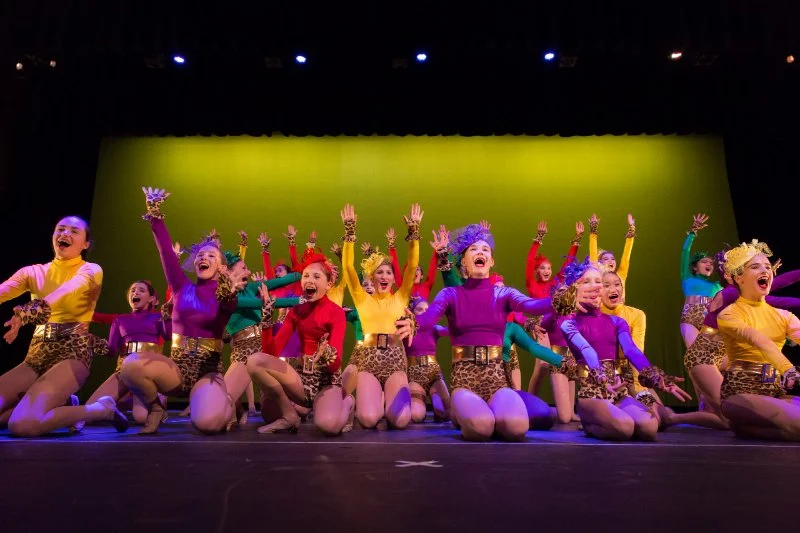
When I reflect on How I Prepared for a Dance Showcase as a Team — My Planning & Execution, the first thing that comes to mind is not the choreography itself, but the moment our team realized we were responsible for creating something unified, not individual. That shift changes everything about how dancers think, move, and communicate.
Unlike solo performances, a team showcase demands synchronization in every sense—timing, spacing, energy, and even emotional expression. The very first meeting we had at Creative Edge Dance Studio felt less like a rehearsal and more like a strategy session. We weren’t just learning steps; we were building a shared vision.
Our instructor emphasized something that stayed with me throughout the process: “A team performance is only as strong as its weakest connection.” That meant every dancer mattered equally, and every movement had to be intentional within the larger picture.
At the beginning, we spent more time discussing structure than dancing. We mapped out transitions, formations, and energy flow across the routine. It was surprising how much planning happens before even stepping into full choreography execution.
2. Developing choreography structure and team synchronization strategy
Once the vision was clear, we moved into choreography development. This stage was one of the most creative yet challenging parts of the entire process. Unlike solo routines where individuality shines, group choreography requires balancing uniqueness with unity.
We started by breaking the routine into segments. Each section had a purpose—introduction, buildup, climax, and resolution. This structure helped us understand how energy should rise and fall throughout the performance.
At Creative Edge Dance Studio, we used a method called “mirror mapping,” where dancers pair up and reflect each other’s movements to build synchronization awareness. This technique revealed subtle timing differences that we wouldn’t normally notice in solo practice.
One of the most difficult challenges was spacing. Even a small misalignment can break visual harmony on stage. We spent hours adjusting positions by inches, learning how stage geometry affects audience perception.
There was also a strong focus on musical interpretation. Instead of simply counting beats, we learned to understand emotional cues in the music. This allowed the group to move as a single emotional unit rather than individual performers following rhythm.
3. Rehearsal process, corrections, and technical execution improvements
Rehearsals quickly became the most intense part of preparation. What looked smooth on paper often revealed flaws in timing, stamina, and coordination once we started full-speed run-throughs.
We began each rehearsal with conditioning to ensure everyone had the physical endurance required for repeated full performances. Dance showcases are not just about one perfect run—they require consistency across multiple attempts under fatigue.
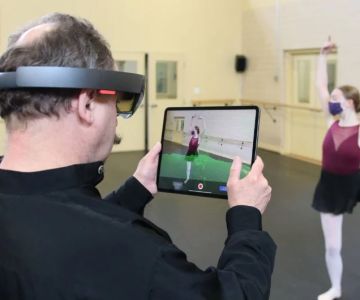
One memorable rehearsal involved recording ourselves and reviewing playback immediately. Seeing the routine from an audience perspective was eye-opening. Movements that felt synchronized from inside the group sometimes appeared slightly off externally.
Creative Edge Dance Studio encouraged a feedback loop system. After each run, we would pause, analyze, and correct specific sections rather than repeating the entire routine blindly. This made our improvements more precise and efficient.
One of the biggest breakthroughs came when we adjusted our transition timing by half a beat. It seemed like a small change, but it dramatically improved the flow of the entire performance.
There were also moments of frustration. Some formations took longer to stabilize than expected, and fatigue occasionally led to miscommunication. However, those challenges helped build trust within the group, as everyone had to rely on each other to maintain structure.
4. Stage pressure and executing the dance showcase in real conditions
The moment we stepped backstage before the showcase, everything felt different. The energy was heavier, quieter, and more focused. No matter how many rehearsals we had done, live performance pressure creates a unique emotional intensity.
We developed a pre-stage ritual as a team. It included breathing synchronization, quick spacing checks, and a final verbal cue from our lead dancer. These small habits helped ground us before stepping into the spotlight.
Once the music started, everything moved faster than expected. There is always a difference between rehearsal timing and live adrenaline timing. However, because of our preparation at Creative Edge Dance Studio, we were able to stay aligned even when the pace felt accelerated.
One standout moment occurred during a high-energy section where lighting unexpectedly shifted slightly off cue. Instead of disrupting the performance, the team adapted instantly, maintaining formation without hesitation. That adaptability came directly from repeated scenario training during rehearsals.
Audience reaction played a huge role in boosting energy. You can feel when a crowd is engaged, and that feedback loop pushes dancers to perform beyond their usual limits.
5. Reflection, team growth, and long-term performance improvements
Looking back on How I Prepared for a Dance Showcase as a Team — My Planning & Execution, the most valuable takeaway is that team performance is a living system. It evolves through communication, correction, and shared commitment.
One of the biggest lessons we learned was that planning is just as important as execution. Without clear structure and communication, even talented dancers can lose synchronization quickly on stage.
Another key insight was the importance of adaptability. No matter how well a routine is rehearsed, live performance conditions will always introduce unpredictability. The ability to adjust without breaking flow is what separates good teams from professional-level groups.
There was also significant personal growth within the team. Dancers who were initially shy became more confident in expressing movement. Others learned to lead transitions or support spacing corrections without hesitation.
Creative Edge Dance Studio played a central role in shaping this experience. The emphasis on structure, feedback, and real-stage simulation created a preparation environment that felt close to professional touring standards rather than casual rehearsal.
Today, when I think about that showcase, I don’t just remember the performance itself. I remember the planning sessions, the corrections, the frustration, the breakthroughs, and the moment we finally moved as one unified team on stage. That alignment is what made the entire journey meaningful.
 Chesapeake Ballet Company5.0 (1 reviews)
 World Dance Festival0.0 (0 reviews)
 Jazzercise Dallas Lake Highlands5.0 (83 reviews)
 Prestige Dance Institute Inc4.0 (38 reviews)
 Jazzercise4.0 (27 reviews)
 Encounter Arts Academy4.0 (10 reviews)
 How Dance Classes Can Improve Your Posture and Body Awareness
 My Story of Dancing at a Wedding (Guest & Performer) — Lessons Learned
 How I Prepared for My First Dance Exam: A Journey of Nerves & Success
 How to Travel and Find Dance Classes in Other US Cities: A Dancer’s Guide
 My Experience With Dance & Peer Support Groups — My Story
 How I Learned to Use Improvisation in My Dance Style — My Story