
- My Journey of Learning House Dance After Years of Studio Work — What Shifted
- 1. From Studio Training to House Dance
- 2. The Challenges I Faced in Transitioning
- 3. The Moment the Shift Happened
- 4. What House Dance Taught Me
- 5. Tips for Dancers Transitioning to House Dance
1. From Studio Training to House Dance
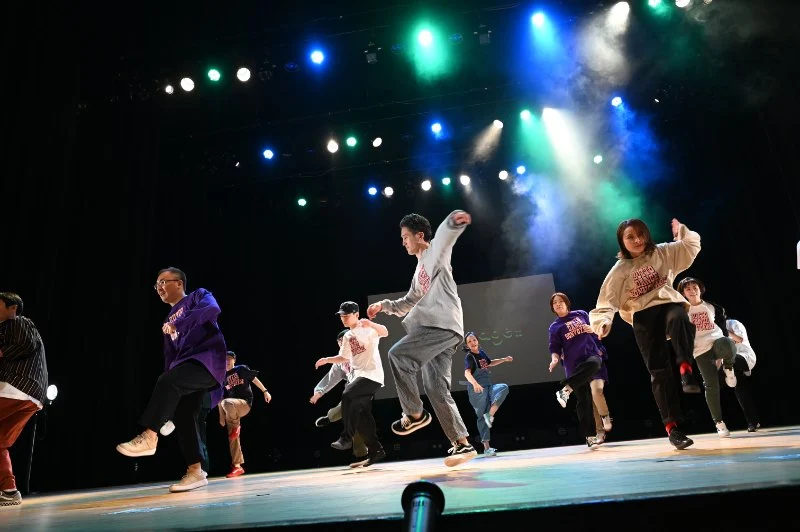
After years of training in traditional dance studios, where I honed my skills in various styles like ballet, jazz, and contemporary, I decided to venture into House Dance. What attracted me to House Dance was its deep connection to music, its freestyle nature, and the energy it brought to the dance floor. However, transitioning from the structured environment of a studio to the more fluid world of House Dance was a shift I had not anticipated.
In a studio, you follow the set choreography, focusing on precision and technical skills. In contrast, House Dance encourages self-expression, improvisation, and the ability to feel the music in a completely different way. This was both liberating and intimidating, but it also marked the beginning of an exciting journey.

2. The Challenges I Faced in Transitioning
One of the first challenges I encountered was the shift in mindset. In the studio, I was taught to perfect each movement, focusing on alignment, posture, and precision. House Dance, however, required me to loosen up, let go of the "perfect" execution, and focus on rhythm, groove, and flow.
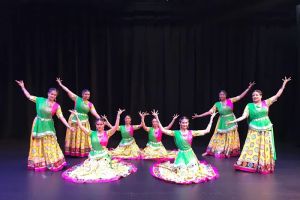
Studio Dhoom - Dance & Fitness / studio dhoom
22621 Amendola Terrace #120, Ashburn, VA 20148, USA
2.1 Letting Go of Perfection
In House Dance, the beauty isn't necessarily in perfect execution but in how well you connect with the music and express yourself. For someone who had been conditioned to focus on precision, this was a massive mental shift. There were times when I felt frustrated, doubting whether I was "doing it right" since I wasn’t accustomed to the freedom House Dance offered.
2.2 Understanding the Culture
Another challenge was immersing myself in the culture of House Dance. It wasn’t just about learning the moves—it was about understanding the history, the community, and the vibe. House Dance has roots in the underground dance scene of Chicago and New York, and it’s closely tied to the music and the club scene. It wasn’t enough to just mimic movements; I needed to feel the music deeply and connect with the dance in a cultural context. This was a huge learning curve.
3. The Moment the Shift Happened
The turning point came during a night out at a club where I watched an impromptu House Dance battle. The raw energy, the confidence, the joy—it was like nothing I had experienced in a studio. I realized that I had been so focused on technique and control that I had forgotten the essence of why I danced in the first place: to feel free and connected to the music.
That night, I decided to let go of my fear of making mistakes. I began to focus on enjoying the movement, letting the music guide me. The shift wasn’t immediate, but over time, I became more comfortable with the idea of improvising, playing with rhythms, and trusting my body to move in sync with the music.
4. What House Dance Taught Me
House Dance taught me several valuable lessons, both in dance and in life. Here are a few key takeaways:
4.1 The Power of Self-Expression
House Dance is not about perfecting a sequence; it's about expressing who you are in the moment. Every time I step onto the floor, I have the opportunity to tell a story, convey emotions, and connect with the audience in a way that feels authentic. This level of self-expression has transformed the way I view all forms of dance.
4.2 The Importance of Feeling the Music
In the studio, I was often focused on the steps, the positions, and the technicalities. House Dance has helped me shift my focus to the music. Now, I listen to the beat, feel the rhythm in my body, and let that guide my movements. It has made me more aware of how music and dance can be a conversation, a back-and-forth exchange between the beats and my movements.
4.3 Building Confidence Through Improvisation
Improvisation was something that intimidated me at first. But with House Dance, I’ve learned that improvisation is a form of bravery. It’s a way of trusting your instincts and embracing the unknown. The more I improvised, the more I realized that there’s no “wrong” way to dance as long as I’m being true to myself and the music.
5. Tips for Dancers Transitioning to House Dance
If you’re a dancer with a background in more traditional styles and are thinking of transitioning to House Dance, here are a few tips that might help:
5.1 Start with the Basics of House Rhythm
Before diving into complex footwork or advanced moves, take time to familiarize yourself with the basic rhythm of House Dance. This will help you get comfortable with the groove and allow you to build a solid foundation.
5.2 Don’t Be Afraid to Improvise
One of the most important aspects of House Dance is improvisation. Don’t be afraid to experiment and let your body move naturally to the music. Let go of the need for perfection and enjoy the freedom that comes with it.
5.3 Embrace the Culture
House Dance is not just about the moves—it's about the culture, the music, and the community. Spend time learning about the history of House Dance and immerse yourself in the club culture. It will deepen your understanding and connection to the dance style.
If you're looking for expert training and resources to further explore House Dance, check out Creative Edge Dance Studio for lessons, tips, and guidance!
 Chester County School of the Arts5.0 (24 reviews)
 Ballet Boutique South Miami4.0 (79 reviews)
 Dance Academy XIV4.0 (23 reviews)
 Woodbridge Academy of Dance5.0 (1 reviews)
 Let's Naach Studio0.0 (0 reviews)
 Academy of Dance & Fine Arts5.0 (2 reviews)
 My Experience With Competitive Ballroom in the USA – What It’s Really Like
 The Etiquette of Social Dancing After Taking Classes
 What is Dance and Technology? Exploring Interactive Performances
 My Experience With Dance in Different US Cities — My Travel Story | Creative Edge Dance Studio
 How to Travel and Find Dance Classes in Other US Cities
 The Best Dance Styles for Kids to Build Discipline and Fun