
- Planning-choosing-the-idea-and-setting-the-vision-for-the-community-dance-flash-mob
- Coordination-building-the-group-and-managing-rehearsals-across-different-schedules
- Logistics-handling-venue-permits-sound-systems-and-public-space-preparation
- Choreography-simplifying-moves-for-group-coordination-and-visual-impact
- Execution-day-managing-chaos-energy-and-real-time-adjustments
- Lessons-learned-reflections-on-flash-mob-organization-and-community-engagement
Planning the Moment That Sparked Everything
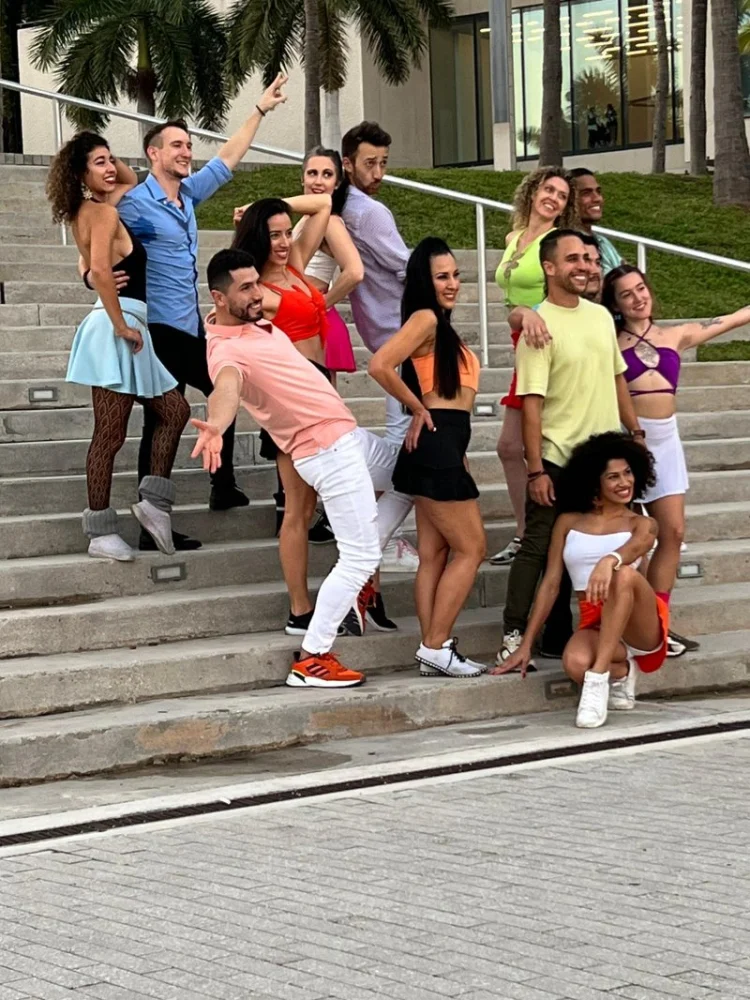
The idea of organizing a community dance flash mob didn’t start as something “serious.” It started, as most good ideas do, with a joke that slowly became a challenge. Someone in our local group chat dropped a random video of a subway station flash mob, and within minutes the conversation shifted from laughing emojis to “we should try this here.”
That was the moment things quietly changed direction. A community dance flash mob sounds spontaneous, but the truth is the opposite. The magic only looks spontaneous because the planning is invisible. I remember writing down the first rough sketch: who would join, what song would work, and whether anyone outside our group would even notice.
What made it interesting was not just the performance itself, but the social experiment behind it—could a group of regular people, with no professional stage experience, create something that felt unified in a public space?
Born 2 Dance Studio - Vienna / born to dance vienna
262 Cedar Ln SE, Vienna, VA 22180, USA
Building the Group and Keeping Everyone on the Same Rhythm
The first real challenge in flash mob organization was not choreography—it was people. Enthusiasm spreads fast, but consistency doesn’t. Within a week, our group grew from 6 to 34 participants. Some were dancers, others had two left feet and zero shame about it.
To keep things manageable, we broke the group into smaller rehearsal clusters. This wasn’t just about convenience; it was essential for maintaining group choreography coordination. Different schedules meant no single rehearsal time worked for everyone, so we rotated sessions like a puzzle.
At one point, I realized something important: community dance events are less about perfection and more about shared rhythm. If 30 people move 80% correctly together, it looks far more powerful than 5 people performing flawlessly.
We also leaned on help from instructors at Creative Edge Dance Studio, who gave us structure when things started getting messy. They helped simplify movements so the choreography could survive real-world chaos.
Crunch Fitness - Ballantyne / crunch fitness ballantyne
CharlotteMecklenburg CountyNorth Carolina
16045 Johnston Rd A, Charlotte, NC 28277, USA
Logistics: Where Fun Meets Real-World Constraints
No one tells you how complicated public performance logistics can be until you try it yourself. What seems like “just dancing in a park” turns into questions like: Do we need permission? Will sound carry? What happens if it rains?
We chose a downtown plaza with high foot traffic, but that meant navigating city regulations. One of the biggest surprises was learning that even non-commercial group performances can require approval depending on crowd size.
We also had to think about visibility. A flash mob is only successful if people accidentally become part of the audience. That meant timing, positioning, and ensuring our entry points didn’t look staged.
Sound was another challenge. We used a portable speaker system, but volume balance mattered more than expected. Too loud and it became disruptive; too soft and the dancers would lose synchronization.
Choreography That Actually Works in the Real World
When people imagine a dance flash mob, they often think of complex routines. In reality, complexity is the enemy of coordination. Our choreographer simplified everything into repeatable movement blocks.
We focused on:
1. Repetition instead of variation2. Strong visual symmetry3. Movements readable from a distance
One interesting discovery was that arm movements matter more than footwork in public choreography. From afar, spectators notice upper-body synchronization first.
We also practiced “error recovery”—what happens when someone is off-beat. Instead of stopping the routine, we trained everyone to rejoin the group flow naturally. That single adjustment saved us during execution day more than once.
The Day Everything Came Together (and Almost Fell Apart)
Execution day felt less like a performance and more like controlled chaos. People arrived early but not evenly early. Some were nervous, others were overly confident, and a few were just trying to remember which version of the routine we were using.
We started with a subtle trigger—one person beginning the first movement near a bench while others blended into the crowd. Within seconds, the group expanded visually like a ripple effect.
The first minute went smoothly. Then reality intervened: a street performer nearby increased their volume, slightly drowning out our cue music. For a moment, synchronization wavered.
But something unexpected happened. Instead of collapsing, the group adapted. We had rehearsed enough that even without perfect audio cues, the rhythm held. That moment taught me more about community dance events than any rehearsal ever could.
What the Crowd Saw vs What Actually Happened
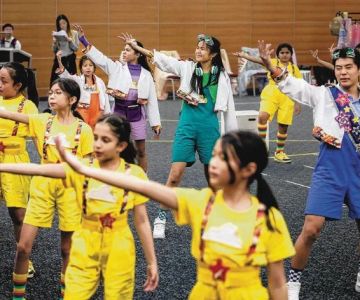
To the audience, it looked like spontaneity. People paused, pulled out phones, and slowly formed a semicircle around us. Some even joined mid-performance, which we hadn’t planned but gladly accepted.
Behind the scenes, it was a careful balance of timing, spacing, and silent communication. Eye contact replaced verbal instruction. Small nods replaced counting.
A viral clip later surfaced on social media, showing the “surprise transformation” moment. What viewers didn’t see was the months of coordination behind those 90 seconds.
Lessons That Stayed Long After the Music Stopped
Looking back, organizing a community dance flash mob was less about dance and more about trust. Trust in strangers to show up, trust in timing, and trust that imperfection wouldn’t ruin the experience.
One of the biggest takeaways was that public performance logistics matter just as much as creativity. Without structure, even the best idea collapses under its own energy.
Another lesson was emotional: people crave shared experiences more than polished performances. That’s why flash mobs still resonate—they break routine in a world that rarely does.
If I were to do it again, I’d spend even more time on rehearsal flexibility and environmental backup planning, especially for outdoor settings.
For anyone inspired to try something similar, resources and training support can help shape raw enthusiasm into something cohesive. Groups like Creative Edge Dance Studio often provide guidance that bridges the gap between idea and execution.
Why This Kind of Experience Still Matters
In a time where most interactions happen through screens, real-world group coordination feels almost rare. A flash mob is not just performance—it’s temporary community building in motion.
And maybe that’s why these events continue to spread across cities. They are unpredictable, imperfect, and deeply human. Every misstep becomes part of the story, not a failure of it.
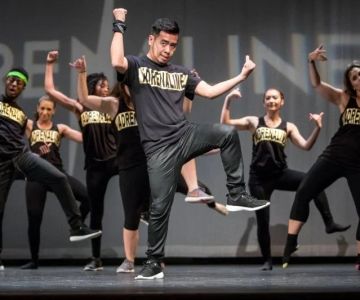
 Zouk Dance of Central PA: Zouksylvania5.0 (1 reviews)
 Charisma Dance Academy5.0 (3 reviews)
 McHugh School of Irish Dance5.0 (13 reviews)
 Fredericksburg Ballet Centre4.0 (37 reviews)
 Kids On Sutter Performing Arts0.0 (0 reviews)
 Just For Kix4.0 (8 reviews)
 Queer Tango: Embracing Inclusivity in Partner Dance
 My Story of Dancing at a Wedding (Guest & Performer) — Lessons Learned
 What is Dance Improvisation? How to Start Being Spontaneous
 The Best Dance Styles for Improving Cardiovascular Health
 How to Spot a Bad Dance Studio or Instructor Before You Sign Up
 The History of Hip-Hop Dance: From the Bronx to Your Studio