How I Chose My First Beginner Dance Style
On this page
Quick answer
Choose your first beginner dance style by matching the music you enjoy, the movement quality you want, your comfort level, and the classes available near you. The “right” style is not always the trendiest one; it is the class you are most likely to attend, practice, and enjoy while learning safely.
Lake Highlands Dance Academy / lake highlands dance academy
6300 Skillman St Suite 150, Dallas, TX 75231, USA
My starting point
When I first looked at local dance classes, every option sounded exciting and slightly intimidating. Ballet felt graceful, hip-hop felt energetic, salsa felt social, contemporary felt expressive, and tap felt rhythmic. I realized I needed a filter, not a perfect answer.
So I started with three questions: What music makes me want to move? What kind of class environment would help me relax? What schedule could I actually keep?

Houston Ballroom Dance / ballroom dance lessons houston
3664 Walnut Bend Ln Building B, Suite 200, Houston, TX 77042, USA
How I compared dance styles
- Ballet: structured, detail-focused, and useful for posture and alignment foundations.
- Hip-hop: rhythm-driven, expressive, and often beginner-friendly when the class is clearly leveled.
- Contemporary: fluid and emotional, with movement that may include floor work and improvisation.
- Jazz: energetic, musical, and often connected to performance-style choreography.
- Tap: rhythm-focused and satisfying for people who enjoy musical patterns.
- Latin or social dance: interactive, social, and helpful for people who want partner or community energy.
Why studio fit mattered
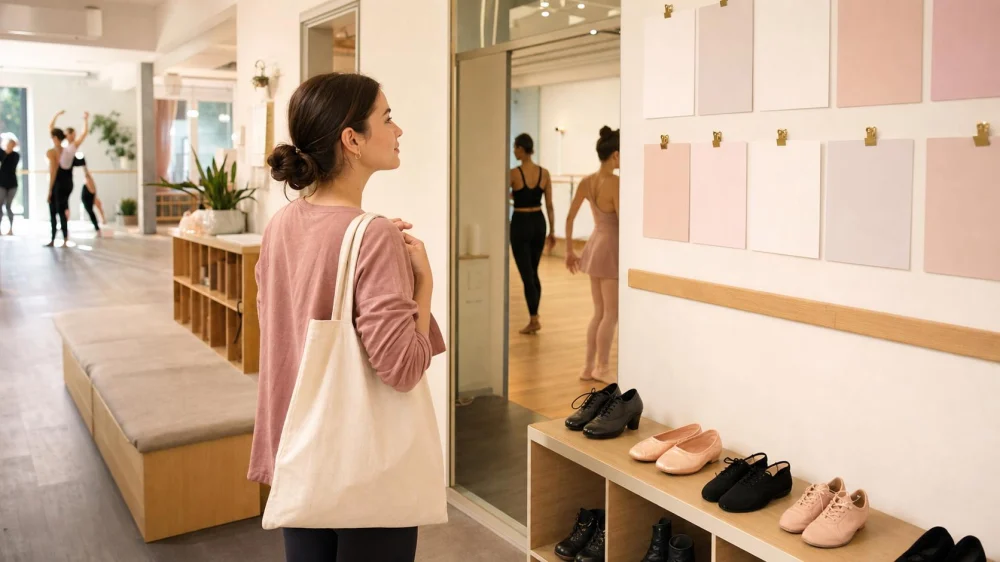
The class style was only half the decision. The studio’s beginner support mattered just as much. I looked for clear class levels, welcoming descriptions, trial options, reasonable commute time, and instructors who seemed comfortable teaching new adults.
A class can be technically excellent and still not be the best first step if it moves too quickly or assumes prior experience.
Decision checklist
- Pick the music or movement style that naturally interests you.
- Choose a true beginner or intro-level class.
- Check whether the schedule fits your real week.
- Ask what shoes or clothing are required before buying gear.
- Read the class description for pace, age group, and experience level.
- Try one class before committing to a long package.
- Judge the class by how you felt afterward, not how perfect you looked.
Best for and not ideal for
This guide is best for adults, teens, or parents comparing beginner dance classes at local studios in the United States.
It is not ideal for choosing a professional training path, audition preparation, medical movement advice, or injury rehabilitation. Those decisions need more specific guidance.
Important notes
- You can switch styles later; the first class is not a lifetime contract.
- Beginner classes vary widely, so ask how much experience is expected.
- If you have pain or movement restrictions, tell the instructor before class.
- Enjoyment matters because consistency is what builds skill.
FAQ
What is the easiest dance style for beginners?
The easiest style depends on your body, music taste, and class environment. A well-taught beginner class in any style can feel more approachable than an advanced class in a supposedly easy style.
Should I start with ballet before other styles?
Ballet can build useful foundations, but it is not required for every dancer. Many people start with hip-hop, salsa, jazz, tap, or contemporary and learn fundamentals there.
How many classes should I try before deciding?
Try at least one full class, then consider a second instructor or style if you are unsure. First-day nerves can affect your impression.
What if I have no rhythm?
Rhythm improves with practice. Choose a supportive beginner class and focus on listening, counting, and repeating simple patterns.
Evidence notes
This article is based on common beginner dance participation factors: music preference, class level, instructor support, schedule consistency, and comfort with the learning environment.
Next steps
List three dance styles that interest you, find local beginner classes for each, and choose one trial class that fits your schedule. After class, write down what felt fun, confusing, welcoming, or worth trying again.

 Illusion Dance Academy0.0 (0 reviews)
 Dance to the Music School of Dance4.0 (10 reviews)
 Dan's Movement5.0 (2 reviews)
 Harmonie Dance4.0 (9 reviews)
 KDENCE5.0 (2 reviews)
 The Dancenter by Lori4.0 (21 reviews)
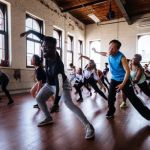 10 Benefits of Taking Dance Classes That Go Beyond Just Learning Moves
 How I Learned to Use AR/VR Platforms to Teach Dance Internationally — My Journey and Insights
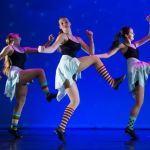 The Best Dance Styles for Improving Rhythm and Timing
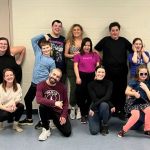 How to Find an LGBTQ+ Friendly Dance Class: Inclusive Spaces for Every Dancer
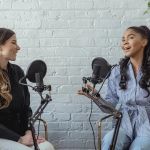 My Story of Starting a Dance Podcast — Why I Wanted to Share My Voice
 My Story of First Time Performing in a Large Theater — The Big Night