
Dance Class Water Breaks: Keep Bottles, Floors, and Timing Under Control
Quick answer: Bring a closed, clearly identifiable bottle, place it only in the studio's designated area, drink during instructor-approved breaks, and report spills immediately. Keep bottles, bags, and towels off the dance floor and travel paths. Adjust fluid planning for heat, class length, intensity, and personal medical guidance.
1. Use a Leak-Resistant Bottle You Can Identify
Choose a bottle with a secure cap that can stand upright. Mark it in a non-confusing way and avoid open cups or glass unless the studio explicitly permits them. Test the lid before leaving home.
The Dance Connection / the dance connection
WaterfordCamden CountyNew Jersey
386 White Horse Pike, Atco, NJ 08004, USA
2. Keep Bottles Out of Movement and Exit Paths
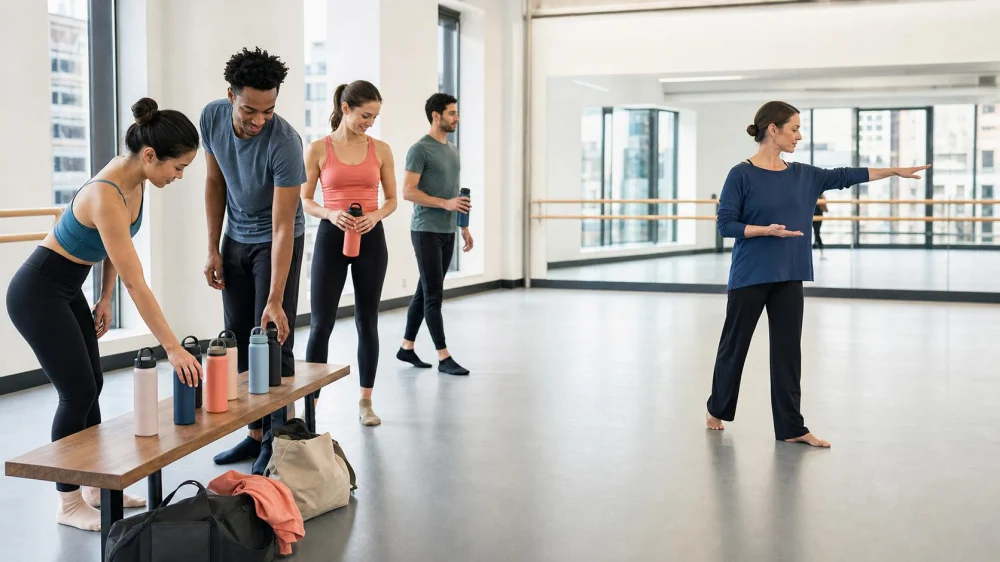
Use the assigned shelf or bench. Do not place a bottle at the mirror, barre base, speaker, doorway, or floor edge where a dancer can kick or trip over it. Keep bags and towels contained too.
Class Act Performing Arts / class act studios
EdgewaterAnne Arundel CountyMaryland
161 Mitchells Chance Rd, Edgewater, MD 21037, USA
3. Start the Day With Normal Hydration
Do not try to correct an entire day of low fluid intake by gulping immediately before class. Drink regularly according to your needs and medical guidance. Bring enough for the session without creating a heavy open container.
4. Listen for Scheduled Breaks and Ask When Needed
Use planned pauses so the group is not moving around unpredictably. If you need water sooner because of heat, symptoms, medication, pregnancy, or another reason, signal the instructor and step out safely.
5. Step Fully Off the Floor and Sip Calmly
Walk, do not run, to the bottle area. Keep shoes and bottle away from clean dance surfaces as studio rules require. Avoid chugging large amounts during a short pause if it causes discomfort.
6. Stop Traffic and Report Every Spill
Stand near but not in the wet area, warn others, and alert staff. Use the studio's cleaning method and confirm the floor is dry before movement resumes. A small clear-water spill can still cause a serious slip.
7. Never Share Bottles or Mouthpieces
Do not pass drinks between dancers, even when bottles look similar. Avoid touching dispenser nozzles with the bottle mouth. Keep your cap and mouthpiece off shared surfaces.
8. Plan More Breaks for Hot or Long Sessions
Heat, humidity, costumes, class duration, and intensity change fluid and cooling needs. Instructors may add breaks, lower intensity, or move class. Electrolyte products are not automatically needed and should not replace personalized guidance.
9. Stop for Dizziness, Confusion, Nausea, or Unusual Weakness
Tell the instructor and move to a safe cool place with help. Call emergency services for collapse, seizure, confusion, very high temperature, breathing difficulty, chest symptoms, or rapid worsening. Do not return to combinations simply because a few sips help.
10. Empty, Wash, and Dry the Bottle
Follow the bottle maker's cleaning instructions, including lid, straw, gasket, and threads. Let components dry completely and inspect for odor, residue, cracks, or mold. Repack only when clean and dry.

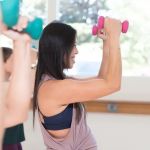 The Dailey Method Larkspur5.0 (12 reviews)
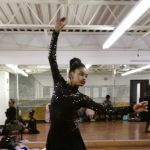 The POINTE! Company & Technique Conservatory4.0 (19 reviews)
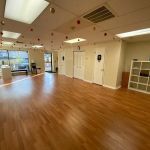 Ballroom Empire5.0 (27 reviews)
 Let's Ballroom!5.0 (3 reviews)
 Le Dance Academie5.0 (2 reviews)
 Fierce Allstars3.0 (6 reviews)
 What to Eat Before and After a Dance Class for Optimal Energy – Best Foods for Dancers
 How I Prepared for My First Live Stream Performance — A Personal Journey
 How I Learned to Use Immersive 360° Video in My Dance Class — My Story
 The Best Arm Toning Exercises for Dancers: Boost Strength and Flexibility
 My Experience With Teaching Inclusive Dance Workshops — What I Learned
 Why I Added Yoga to My Dance Routine (And How It Helped)