
- -1-My-First-Encounter-with-Aerial-Hoop-Dance
- -2-Overcoming-Fears-and-Initial-Struggles
- -3-Learning-from-Experienced-Instructors
- -4-Developing-My-Teaching-Style
- -5-Creating-Safe-and-Engaging-Class-Routines
- -6-Adapting-Techniques-for-Different-Students
- -7-Handling-Challenges-in-Teaching
- -8-My-Personal-Growth-as-an-Instructor
- -9-Tips-for-Aspiring-Aerial-Hoop-Teachers
- -10-Why-Creative-Edge-Dance-Studio-Helps
1. My First Encounter with Aerial Hoop Dance
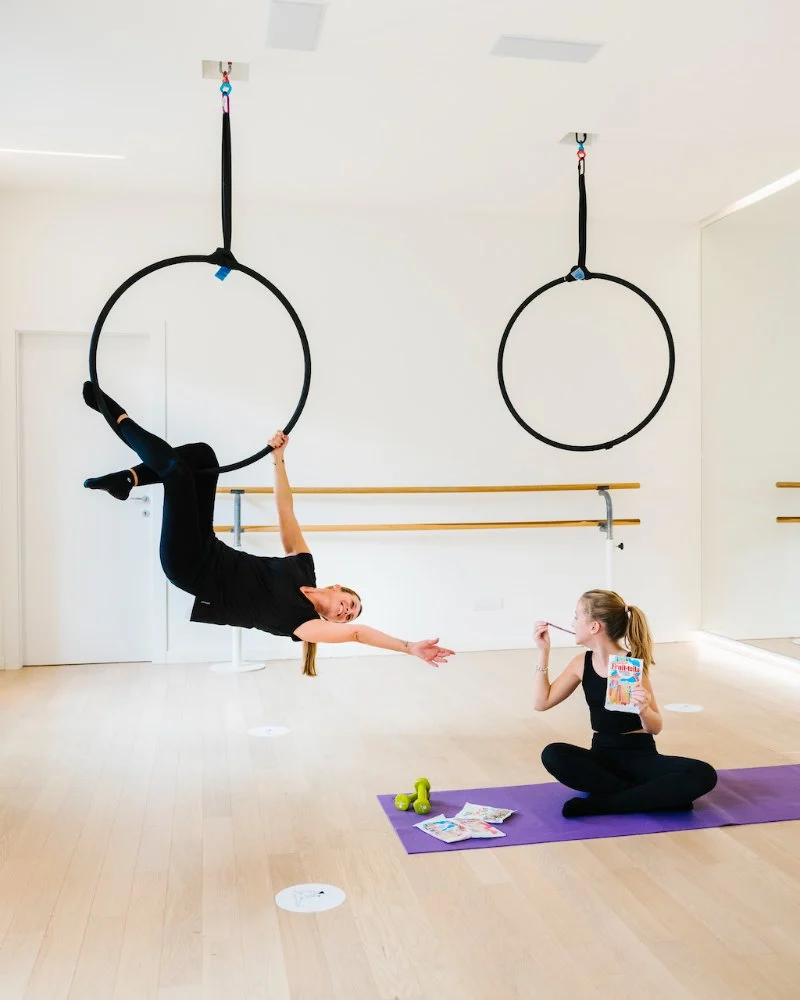
I first discovered aerial hoop dance in a small local studio. The elegance, strength, and fluidity of performers fascinated me. It was both beautiful and intimidating, inspiring me to explore how I could not only perform but eventually teach this art form to others.
2. Overcoming Fears and Initial Struggles
Initially, fear of heights and lack of upper body strength made training challenging. I focused on gradual skill-building exercises, mastering foundational grips, spins, and poses before attempting complex sequences. Persistence and incremental progress were crucial for confidence.
3. Learning from Experienced Instructors
Mentorship played a vital role. Observing experienced aerial hoop instructors taught me essential techniques for proper form, spotting students safely, and delivering clear verbal instructions. I took detailed notes and practiced repeatedly to internalize their guidance.
4. Developing My Teaching Style
As I gained experience, I began to develop my unique teaching style. Balancing structure with creativity, I incorporated interactive exercises, demonstrations, and motivational feedback. This approach helped students feel safe, encouraged, and excited to learn aerial hoop skills.
5. Creating Safe and Engaging Class Routines
Safety was always my priority. I learned to design routines that challenged students while minimizing risk. Gradual progression, proper warm-ups, and clear spotting instructions were integral. Creative exercises kept students engaged and eager to improve.
6. Adapting Techniques for Different Students
Every student has unique strengths and limitations. I adapted grips, transitions, and strength exercises to meet individual needs. Recognizing diverse learning styles and adjusting instructions made my classes inclusive and effective for all participants.
7. Handling Challenges in Teaching
Teaching aerial hoop dance comes with challenges such as varying confidence levels and physical limitations. Patience, empathy, and encouraging self-paced progress helped overcome these hurdles. Each challenge became an opportunity to refine my teaching techniques.
8. My Personal Growth as an Instructor
This journey transformed me personally and professionally. I developed stronger communication skills, enhanced patience, and gained confidence in guiding others. Witnessing students achieve their goals remains the most rewarding aspect of teaching aerial hoop dance.
9. Tips for Aspiring Aerial Hoop Teachers
For those aspiring to teach aerial hoop dance:
- Invest in proper training and mentorship.
- Prioritize safety and foundational skills.
- Develop a teaching style that balances structure and creativity.
- Adapt exercises to meet individual student needs.
- Be patient, observant, and encouraging.
Consistency, passion, and empathy are key to becoming an effective aerial hoop instructor.
10. Why Creative Edge Dance Studio Helps
Creative Edge Dance Studio provides a supportive environment for both students and instructors. With access to professional equipment, mentorship programs, and structured classes, it offers the ideal platform to refine skills, explore teaching techniques, and inspire creativity in aerial hoop dance.

 Arkansas Circus Arts4.0 (95 reviews)
 The East Texas Yamboree4.0 (83 reviews)
 Pucci Performing Arts Centre - PPAC3.0 (2 reviews)
 The Washington Ballet3.0 (4 reviews)
 Studio 64 Fitness5.0 (10 reviews)
 On Your Toes Dancewear4.0 (120 reviews)
 My Story of Teaching Dance to Alien Life-Forms — Creative Stretch
 How to Use YouTube to Practice Dance Effectively
 How to Layer Clothing for Cold Weather Dance Practice: Stay Warm and Move Freely
 The Role of Mentorship in the Dance World: Guiding Dancers to Success
 What is Pasodoble? The Spanish Bullfight-Inspired Dance
 How to Create a Dance Resume for Auditions and Applications