- Why I Started Using Props in Dance
- Types of Props I Use in Dance Classes
- The Benefits of Using Props in Dance Classes
- Challenges of Using Props in Dance
- Adapting Props for Different Dance Styles
- How to Incorporate Props into Your Dance Teaching
1. Why I Started Using Props in Dance
When I first started teaching dance classes, I stuck to the basics: music, movement, and technique. However, as I worked with a wider variety of students—each with their own learning style—it became clear that I needed a more engaging way to enhance the dance experience. That’s when I started experimenting with props.
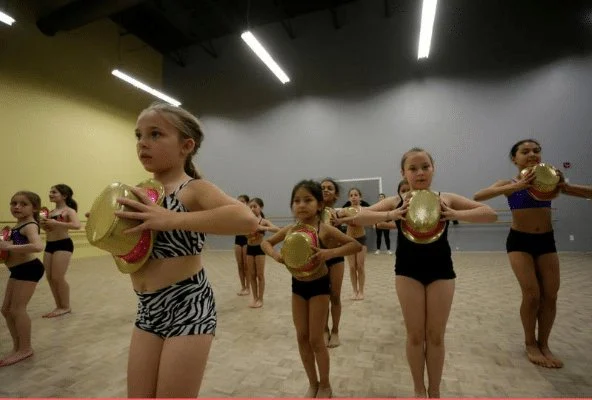
Props allowed me to bring an additional layer of creativity into the studio, offering new ways to teach coordination, rhythm, and expression. Over time, I found that incorporating props made my classes more interactive and fun, which is exactly what I needed to keep students engaged and motivated.
2. Types of Props I Use in Dance Classes
There are countless types of props you can use in dance, and each one serves a unique purpose in teaching. Here are some of the props I’ve found to be most effective in my classes:
2.1. Scarves and Ribbons
These light and flowing props are excellent for teaching students about balance, movement dynamics, and breath control. The ribbons, in particular, help students visualize their movements in space, allowing them to see the fluidity of their own dance.
2.2. Balls and Large Beach Balls
Used mainly in modern and contemporary dance, these props help build coordination and are fantastic for partnering exercises. When students focus on passing or controlling a ball, it improves their awareness of space and timing.
2.3. Hula Hoops
Hula hoops are versatile and are particularly great for teaching balance and body isolation. They also add an element of fun to the class, helping students get out of their heads and focus on the playfulness of dance.
2.4. Weighted Props
Weighted props, such as small medicine balls or ankle weights, can be used to increase strength and improve muscle control during specific dance exercises. These props are great for building endurance in students while adding an element of resistance to their movements.
3. The Benefits of Using Props in Dance Classes
Using props in dance classes isn’t just about adding variety—there are several key benefits to incorporating these tools into your teaching practice.
3.1. Enhanced Creativity
Props allow both teachers and students to think outside the box. Whether it’s dancing with a scarf or using a ball in partnering exercises, props stimulate creativity and encourage dancers to experiment with new ways of moving.
3.2. Increased Engagement
Props make the class more dynamic and exciting. They engage students’ imaginations, turning a regular class into a creative adventure. Props also help capture the attention of younger students, who may find traditional dance movements difficult to follow or less exciting.
3.3. Improved Technique
Props are a great way to emphasize specific aspects of technique, such as arm extensions, body alignment, and spatial awareness. For example, using a hoop helps dancers focus on body isolation, while ribbons can improve fluidity in arm movements.
4. Challenges of Using Props in Dance
While props bring many benefits, they also present certain challenges. Here are some issues I’ve encountered while using props in my dance classes:
4.1. Space Constraints
Some props, especially large ones like hula hoops or beach balls, require ample space in the studio. If your dance space is small, it can be challenging to use props without worrying about hitting other students or objects. Managing space effectively becomes crucial when working with props.
4.2. Safety Concerns
Props can pose safety risks if not used properly. For example, large or heavy props can accidentally cause injury if thrown or dropped. It’s important to always supervise students closely when using props, and to ensure that the props are age-appropriate and safe to handle.
4.3. Maintenance and Storage
Maintaining and storing props can also be time-consuming. Some props, like ribbons or scarves, can get tangled or worn out over time, and others, like balls, may need to be inflated regularly. Organizing and keeping track of props is an added responsibility that teachers must consider.
5. Adapting Props for Different Dance Styles
Not every prop works for every style of dance. Over time, I’ve learned how to adapt props for various genres, ensuring they align with the movements and techniques of each style.
5.1. Ballet
In ballet, props like small handkerchiefs or flower petals can be used for delicate movements that emphasize grace and fluidity. Ballet dancers typically work with props that complement their precise, controlled movements rather than those that require a lot of physical energy or space.
5.2. Hip-Hop
In hip-hop, props like hats or jackets can be incorporated to reflect the culture and style of the dance. Using props in hip-hop can enhance the attitude and energy of the choreography, encouraging dancers to express themselves with attitude and confidence.
5.3. Contemporary Dance
Contemporary dance is the most versatile in terms of prop usage. From using yoga balls for partnering exercises to scarves for floor work, props in contemporary dance can help explore a range of dynamics and emotions, making the movement feel more organic and expansive.
6. How to Incorporate Props into Your Dance Teaching
If you’re new to using props in your dance classes, here are some tips for getting started:
6.1. Start with Simple Props
Start small with easy-to-use props like scarves or ribbons. They don’t require much space and can be incorporated into nearly any style of dance. Once you’re comfortable, you can gradually introduce more complex props.
6.2. Incorporate Props Gradually
Don’t overwhelm your students by introducing too many props all at once. Instead, focus on one prop at a time and allow students to become familiar with it before adding new elements. This helps maintain the class's flow and ensures the focus stays on technique and movement.
6.3. Encourage Creativity
Give your students the freedom to explore and experiment with props. Encourage them to move in new ways, creating their own interpretations of the prop’s role in the dance. This promotes creativity and can make the class more enjoyable for everyone.
Props are a fantastic tool for enhancing your dance teaching. To find the best props for your classes, check out Creative Edge Dance Studio for high-quality dance supplies and expert advice!
 Big East Gymnastics Inc4.0 (16 reviews)
 Rock City Dance Center - Little Rock4.0 (50 reviews)
 The Kaiser Center for the Performing Arts (KCPA Dance)4.0 (69 reviews)
 VIVID BALLROOM4.0 (29 reviews)
 Divine Inspirations Center for the Arts (DICA)4.0 (16 reviews)
 Tribal Evolution Belly Dance5.0 (4 reviews)
 My Experience With Dance and Aging — Staying Agile with Dance
 The Etiquette of Dance Classes: Unwritten Rules You Should Know
 How to Support Local Dance Studios and Independent Teachers: Practical Tips
 The Relationship Between Music Theory and Dance
 My Story of Dancing With Digital Avatars in Live Concerts — My Journey
 The Connection Between Dance and Creativity in Business