
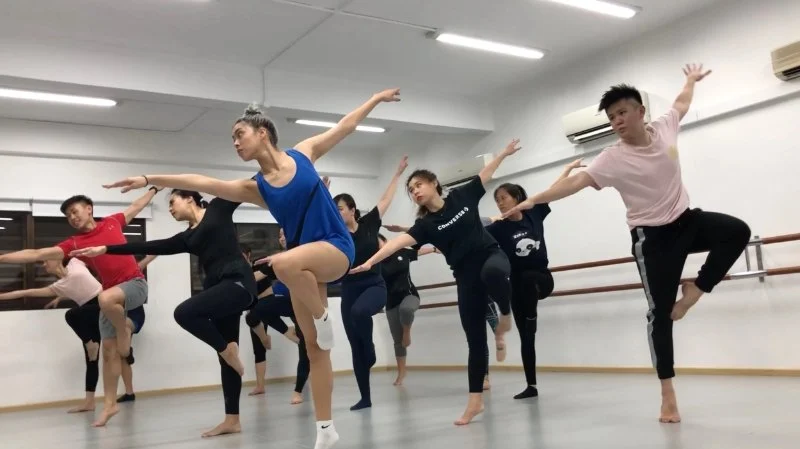
My Story of Learning Fusion Jazz After Years of Traditional Ballet
- 1. The Foundation: Growing Up with Traditional Ballet
- 2. What is Fusion Jazz and Why It’s Different from Ballet?
- 3. The Challenges of Transitioning from Ballet to Fusion Jazz
- 4. Key Lessons and Insights from Learning Fusion Jazz
- 5. How Fusion Jazz Transformed My Dance Style and Technique
- 6. My Advice for Dancers Making the Transition
1. The Foundation: Growing Up with Traditional Ballet
Growing up as a dancer, my world revolved around the disciplined and structured environment of traditional ballet. From the very first plié to the complex adagios, ballet was my foundation. The focus on precision, alignment, and control shaped my entire approach to dance. For years, I trained in the classical style, loving the elegance and grace it demanded. Ballet taught me the importance of discipline, technique, and patience – qualities that would later play a crucial role as I transitioned into a new genre.
However, as time went on, I felt an increasing desire to explore other dance styles. Ballet, while beautiful and enriching, felt like a narrow world at times. I yearned for something more expressive, freer, and dynamic. This is when I first encountered fusion jazz – a style that would push me beyond the boundaries of classical ballet.
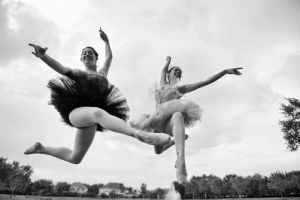
2. What is Fusion Jazz and Why It’s Different from Ballet?
Fusion jazz, as the name suggests, combines elements of traditional jazz with influences from other styles, such as contemporary, modern, and even hip-hop. Unlike ballet, which is highly structured and emphasizes specific positions and techniques, fusion jazz allows for more freedom and fluidity in movement. It incorporates sharp, dynamic movements as well as smooth transitions, creating a style that is not only athletic but also highly expressive.
The contrast between ballet and fusion jazz is striking. Ballet demands perfect posture and controlled movements, while fusion jazz encourages a more relaxed approach with an emphasis on emotional expression and creativity. The flexibility in fusion jazz allows for improvisation and adaptation to the music, which was a refreshing shift for me after years of strict ballet training.
Class Act Performing Arts / class act studios
EdgewaterAnne Arundel CountyMaryland
161 Mitchells Chance Rd, Edgewater, MD 21037, USA
3. The Challenges of Transitioning from Ballet to Fusion Jazz
Transitioning from ballet to fusion jazz wasn’t easy. One of the biggest challenges was unlearning some of the habits that I had formed during my years of ballet training. Ballet places a strong emphasis on straight lines, perfect posture, and a high level of control. In fusion jazz, the focus is different: it’s more about releasing control, using the body’s natural rhythm, and embracing a fluidity of movement.
Another challenge was the shift in physicality. Ballet is all about flexibility, strength, and alignment, whereas fusion jazz incorporates a lot of grounded movements, contractions, and isolations. I had to adjust my body to move in new ways, allowing my torso and hips to engage differently than I was used to in ballet. The footwork was also much looser in jazz, requiring a relaxed approach that I initially struggled to master.
Despite these challenges, I soon began to appreciate the contrast between the two styles. Fusion jazz allowed me to feel the music on a deeper level, and it helped me reconnect with the emotional side of dancing that had sometimes been overshadowed by the technical rigor of ballet.
4. Key Lessons and Insights from Learning Fusion Jazz
One of the most important lessons I learned from fusion jazz was the value of flexibility – not just in my body, but in my mindset. Ballet had taught me to be rigid, but fusion jazz encouraged me to embrace a looser, more spontaneous approach to dance. I learned to trust my body’s natural rhythm and allow myself to be more free in my movements.
Fusion jazz also taught me how to tell a story through dance. Unlike ballet, which is often more about technique and form, fusion jazz gave me the opportunity to express emotions and connect with the music in a more visceral way. Every movement in jazz tells a story, whether it’s a sharp isolation or a smooth, flowing gesture. This new way of interpreting music opened my eyes to the emotional depth that dance can convey.
Through fusion jazz, I also gained a deeper understanding of musicality. The style’s emphasis on improvisation and rhythm helped me better connect with the music, allowing me to feel the beat and sync my movements with the melody in ways that ballet’s structured nature didn’t always permit.
5. How Fusion Jazz Transformed My Dance Style and Technique
Learning fusion jazz didn’t just change my dance style – it transformed my entire approach to movement. I began to combine the technical precision of ballet with the emotional freedom of jazz, resulting in a more dynamic and expressive dance style. My strength and flexibility from ballet complemented the fluidity and groundedness I developed in jazz, creating a balanced and versatile dancer.
Fusion jazz also made me a better performer. In ballet, the focus is often on perfecting technique, but fusion jazz encourages dancers to engage with the audience emotionally. This allowed me to step into a performance space with greater confidence and presence, knowing that I could use my body and emotions to communicate with my audience.
6. My Advice for Dancers Making the Transition
If you’re considering making the transition from ballet to fusion jazz, here’s some advice based on my personal journey:
- Be Patient with Yourself: It can be frustrating at first, but don’t rush the process. Embrace the challenge and give yourself time to adjust to the new movement style.
- Focus on Musicality: Jazz dance is deeply rooted in music. Pay attention to rhythm, timing, and dynamics to improve your fusion jazz performance.
- Embrace the Freedom: Fusion jazz is about creativity and expression. Don’t be afraid to experiment and allow yourself to move in new ways.
- Balance Technique with Emotion: Remember, while jazz allows for more freedom, it still requires a solid understanding of technique. Combining both will elevate your performance.
Most importantly, enjoy the journey. Transitioning to a new style is a wonderful opportunity for growth as a dancer, and fusion jazz will give you the freedom to explore your creativity in new and exciting ways.

 Dan's Movement5.0 (2 reviews)
 Blier Enterprises Inc.-Consciously Connected Living &Vital Movement Rituals4.0 (39 reviews)
 Xuejuan Dance Ensemble5.0 (24 reviews)
 Sun Country Sports Center - West4.0 (104 reviews)
 Saka Kizomba0.0 (0 reviews)
 Kathak Rhythms4.0 (26 reviews)
 How to Give Back to the Dance Community as a Student
 The Connection Between Dance and Cultural Identity | Embracing Heritage
 My Experience With Dance & Peer Support Groups — My Story
 How to Develop Faster Footwork for Any Dance Style
 My Story of Starting a Student-Run Dance Club at College — What I Did
 What is Salsa Rueda de Casino? The Cuban Group Dance