
How I Built My Strength and Core for Dance in 8 Weeks
- 1 - Why Core Strength Matters for Dancers
- 2 - Week by Week Strength Building Plan
- 3 - Core Exercises That Made the Biggest Difference
- 4 - Mistakes I Made and What I Learned
- 5 - How Consistency Transformed My Dancing
1. Why Core Strength Matters for Dancers
Before I started my eight-week journey to build strength and core stability for dance, I underestimated how important the core truly is. Many dancers assume flexibility and technique are the most important elements, but after years of dancing recreationally, I realized my balance, turns, and control were limited by weak core muscles.

Dance King Entertainment / dance king studios leesburg
LeesburgLoudoun CountyVirginia
26 W Market St, Leesburg, VA 20176, USA
Understanding the Role of the Core in Dance
The core is not just about abdominal muscles. It includes the lower back, hips, and deep stabilizing muscles that keep your body aligned while moving. When dancers perform pirouettes, jumps, or fast directional changes, the core acts as the central control system of the body.
The Little Gym of Pearland / the little gym pearland
9607 Broadway St, Pearland, TX 77584, USA
A Real Training Wake-Up Call
I remember attending a workshop where an instructor asked the class to hold a simple plank for 60 seconds. Half the room started shaking within 20 seconds—including me. That moment made it clear that improving my dance performance required focused strength training.
Several instructors at Creative Edge Dance Studio often emphasize that technical skill improves dramatically when dancers support their movements with a strong core foundation. Inspired by that advice, I designed an eight-week strength plan.
2. Week by Week Strength Building Plan
Weeks 1–2: Building the Foundation
The first two weeks focused on awareness and activation. Instead of jumping into intense workouts, I concentrated on learning how to engage my core correctly.
Each workout session included slow and controlled movements such as basic planks, glute bridges, and dead bugs. These exercises helped me identify muscles I had rarely used consciously during dance classes.
Weeks 3–5: Increasing Strength and Control
During weeks three through five, I added more dynamic movements. These included Russian twists, side planks, and controlled leg lifts that challenged both stability and endurance.
This stage was where I started noticing subtle improvements. My balance during turns improved, and I felt more stable during center combinations. Instead of relying only on momentum, I could control my movement from the center of my body.
Weeks 6–8: Power and Stability Integration
The final weeks were about integrating strength with dance technique. I combined core workouts with dance drills such as slow pirouette preparation, controlled jumps, and balance holds.
By week eight, the difference was remarkable. My posture improved, my landings felt lighter, and my endurance during long rehearsals increased noticeably.
3. Core Exercises That Made the Biggest Difference
Plank Variations for Stability
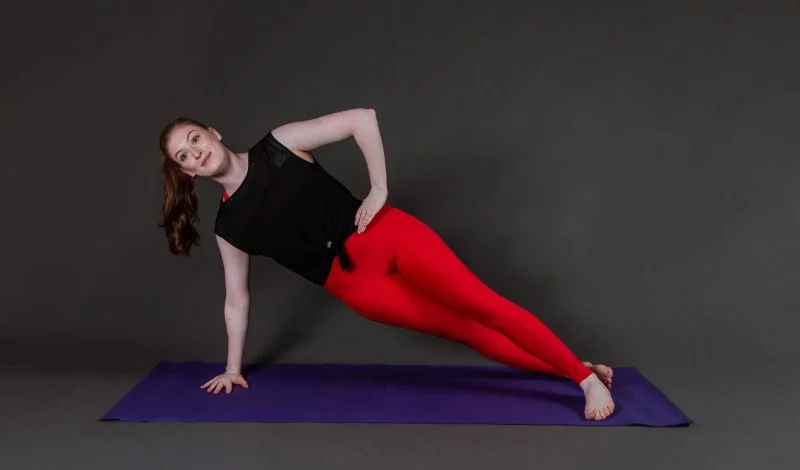
The plank became the backbone of my training. I started with standard planks and gradually progressed to side planks and shoulder-tap planks.
These exercises strengthened the deep stabilizing muscles that help dancers maintain alignment during turns and extensions.
Slow Controlled Leg Raises
Leg raises helped connect my lower abs to my hip flexors, which are critical for high extensions and controlled kicks.
Instead of rushing through repetitions, I performed them slowly to maximize muscle engagement.
Rotational Strength Exercises
Rotational movements such as Russian twists improved my ability to control turning momentum. These exercises mimic the twisting forces dancers experience during spins.
Several trainers at Creative Edge Dance Studio recommend incorporating rotational core training for dancers preparing for competition seasons.
4. Mistakes I Made and What I Learned
Training Too Hard Too Quickly
One of my early mistakes was trying to do advanced exercises too soon. I quickly realized that proper form matters more than intensity. Poor form can actually reinforce bad movement patterns.
Ignoring Recovery and Mobility
Another mistake was underestimating recovery. Core muscles are involved in almost every movement, so overtraining them can lead to fatigue and poor technique.
Stretching, foam rolling, and rest days helped my muscles recover and allowed me to maintain consistent progress.
Not Tracking Progress
Once I began tracking my plank time, workout frequency, and dance performance improvements, I noticed how motivating measurable progress can be.
For example, my plank endurance improved from 25 seconds to nearly 2 minutes by the end of the eight weeks.
5. How Consistency Transformed My Dancing
Improved Balance and Control
One of the most noticeable improvements was balance. I could hold positions longer and maintain stability even during complex choreography.
Better Jump Landings
Strong core engagement helped absorb impact during jumps. Instead of collapsing through my hips and lower back, I landed with better control.
Greater Confidence in Performance
The biggest transformation was confidence. When your body feels stronger and more stable, you can focus on artistry instead of worrying about losing balance.
Many dancers at Creative Edge Dance Studio incorporate similar conditioning routines into their training because consistent strength development directly enhances dance technique.
If you're a dancer hoping to improve control, balance, and endurance, dedicating even eight weeks to focused core training can create noticeable results.


 DanceVision Studios Plano4.0 (53 reviews)
 Crescent Moon Belly Dance4.0 (26 reviews)
 Dynamix School of Dance5.0 (10 reviews)
 Studio Beyond - Pittsburgh5.0 (18 reviews)
 TollyFit Dance Studio0.0 (0 reviews)
 Fly Fitness4.0 (42 reviews)
 Understanding Dance Terminology: A Glossary for Beginners
 What is Voguing? The Houses and Ballroom Scene Explained
 How I Handled Dance Rehearsals and Burnout — My Real Story
 What It Means to Be a “Gymnastics” Background Dancer in a Hip-Hop World
 7 Mistakes I Made in My First Jazz Dance Class (and How to Fix Them)
 How to Create a Vision Board for Your Dance Goals