
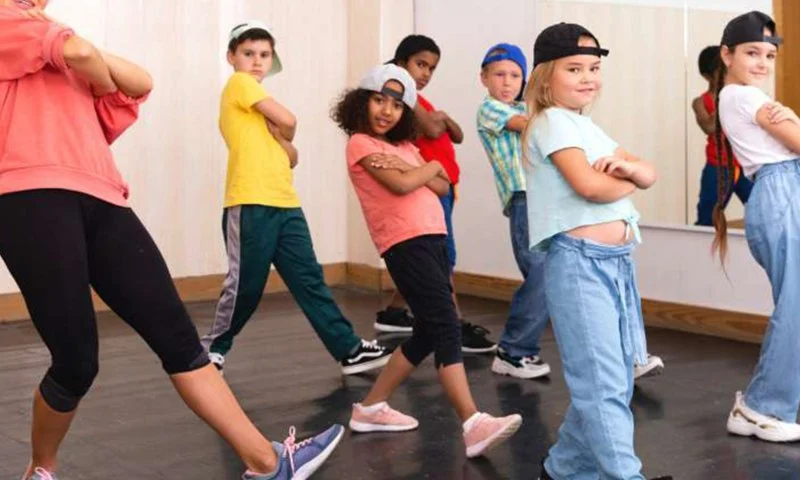
1. The Beginning of My Inclusive Hip-Hop Journey
I didn’t set out to teach inclusive hip-hop for all ages. At first, I was focused on choreography, rhythm, and performance. My classes were fast, intense, and designed for students who already felt comfortable moving their bodies. Everything changed the day a parent asked if their child, who had never danced before, could join.
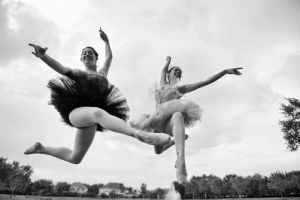
That One Simple Question
That question made me pause. I realized hip-hop, a culture built on expression and belonging, shouldn’t feel intimidating or exclusive. That moment became the starting point of my journey into teaching hip-hop for all ages and abilities.
Lake Highlands Dance Academy / lake highlands dance academy
6300 Skillman St Suite 150, Dallas, TX 75231, USA
2. Understanding What Inclusive Hip-Hop Really Means
Inclusive hip-hop isn’t about lowering standards or watering down movement. It’s about meeting people where they are. I learned that true inclusivity comes from offering options, not limitations.
Movement Over Perfection
Once I stopped correcting every detail and started encouraging personal style, something powerful happened. Students smiled more. They stayed longer. They trusted the process, and most importantly, they trusted themselves.
3. Teaching Hip-Hop to Different Age Groups
Teaching hip-hop for all ages requires flexibility, patience, and creativity. A class with teenagers moves differently than one with adults or seniors, but the heart of hip-hop stays the same.
Adapting Without Losing Energy
With kids, I focused on storytelling and playful rhythm. With adults, I emphasized stress relief and confidence. Older students often wanted connection more than complexity. Learning to balance energy with accessibility became one of my most valuable skills.
4. Real Moments That Changed My Approach
One moment stands out clearly. A woman in her sixties told me she had never danced in public before. Halfway through class, she stopped, laughed, and said, “I forgot how old I was.” That sentence stayed with me.
Why Representation Matters
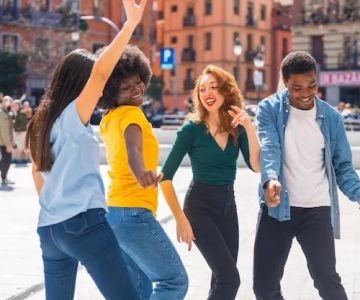
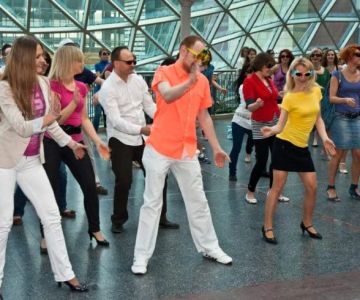
Seeing people of all ages moving confidently reshaped how new students viewed themselves. Inclusive hip-hop classes became spaces where age stopped being a barrier and started being part of the story.
5. Building Confidence and Community Through Dance
Inclusive hip-hop creates community naturally. People cheer for each other, share progress, and celebrate effort. Over time, classes felt less like lessons and more like shared experiences.
Trust Grows When People Feel Seen
Students returned not just to dance, but to belong. That sense of community is something many dancers later told me they found through programs connected to Creative Edge Dance Studio, where inclusivity and creativity go hand in hand.
6. Lessons I Discovered Along the Way
Teaching inclusive hip-hop taught me as much as it taught my students. I learned that progress looks different for everyone, and success isn’t measured by speed or precision.
Hip-Hop Is for Everyone
The biggest discovery was simple: hip-hop belongs to all ages, all bodies, and all backgrounds. When instructors create space for expression instead of expectation, dance becomes powerful, healing, and unforgettable.
 Dan's Movement5.0 (2 reviews)
 Blier Enterprises Inc.-Consciously Connected Living &Vital Movement Rituals4.0 (39 reviews)
 Xuejuan Dance Ensemble5.0 (24 reviews)
 Sun Country Sports Center - West4.0 (104 reviews)
 Saka Kizomba0.0 (0 reviews)
 Kathak Rhythms4.0 (26 reviews)
 How to Give Back to the Dance Community as a Student
 The Connection Between Dance and Cultural Identity | Embracing Heritage
 My Experience With Dance & Peer Support Groups — My Story
 How to Develop Faster Footwork for Any Dance Style
 My Story of Starting a Student-Run Dance Club at College — What I Did
 What is Salsa Rueda de Casino? The Cuban Group Dance