
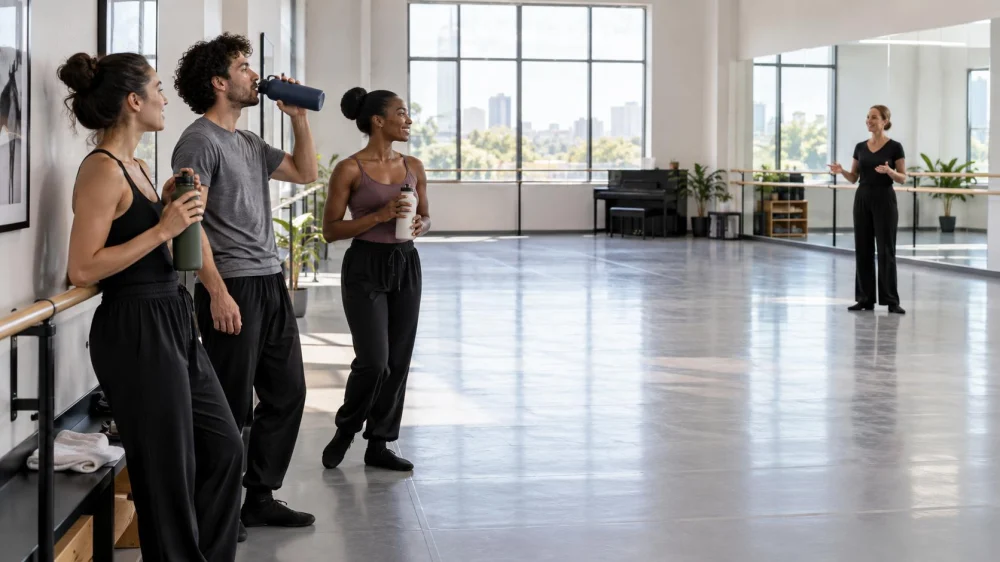
Dance Class Water Break: Bottle, Path, and Reentry
On this page
Quick answer
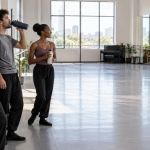
Bring a closed, labeled bottle and place it only in the studio's approved area. During a water break, walk around active dancers, drink without spilling, close the bottle, and return by the instructor's route. If you miss the next instruction, wait at the edge and ask before crossing the floor or joining a moving group.
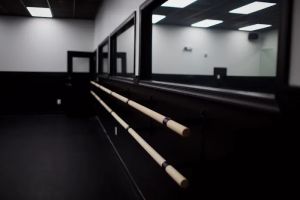
Class Act Performing Arts / class act performing arts
EdgewaterAnne Arundel CountyMaryland
161 Mitchells Chance Rd, Edgewater, MD 21037, USA
Prepare before movement starts
A safe water-break routine keeps hydration supplies accessible without putting liquid, bottles, or moving students in the dance path. Each studio may set its own bottle location and break schedule based on the floor, class length, age group, and activity.
- Use a leak-resistant bottle with a cap that closes fully.
- Label it in the way the studio allows, without exposing unnecessary personal information.
- Fill it before class so you do not leave the room unexpectedly.
- Place it upright in the designated area, never on the dance floor, barre, speaker, or exit route.
- Tell the instructor about a relevant medical or access need before class.
Open cups and glass containers are poor choices for most studios. Sports drinks may be restricted because sticky spills are harder to clean and can change floor traction.
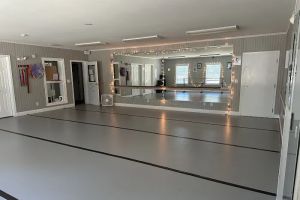
Dee Dots Dance Academy / dee dots
Woolwich TownshipGloucester CountyNew Jersey
360 Garwin Rd, Woolwich Township, NJ 08085, USA
Use the break without blocking others
- Wait for the instructor's cue unless an urgent need requires you to stop.
- Walk to the edge; do not run through students or moving lines.
- Pick up only your own bottle and move aside from the storage area.
- Take manageable sips and keep the opening away from shared equipment.
- Close the cap, check for drips, and return the bottle upright.
A break is also a transition. Listen for the next exercise, group, side, music cue, or formation while drinking. Avoid gathering in doorways or turning the bottle area into a long conversation.
Reenter the floor safely
Look in both directions before stepping onto the floor. Across-the-floor combinations, turns, and traveling sequences can continue while another group drinks. Use the edge route specified by the teacher and enter only at a clear gap.
If instruction has already started, stay where the instructor can see you without obstructing the demonstration. Ask where to join. Do not sprint into formation, cross the music controls, or copy a partial movement at full speed.
For partner or group work, confirm that your partner is ready and that roles have not changed during the break. Reestablish spacing before movement begins.
Handle spills and bottle problems
Call attention to a spill immediately and keep dancers away from it. Do not assume a quick wipe makes the floor safe. Use the studio's cleaning process and let the instructor or staff decide when the surface is ready.
If a cap breaks or the bottle leaks, move it to a non-dance surface and use a replacement container if available. Do not hide moisture under a towel, mat, or bag. Report water that reaches electrical equipment or a wood-floor seam.
Plan individual hydration needs
Break frequency and fluid needs vary with class intensity, room temperature, clothing, health, and the individual. A preset class break may not meet every need. Students should be able to signal the instructor and step out safely when necessary.
Parents and adult students can discuss diabetes, medication timing, heat sensitivity, pregnancy, or other relevant needs with a qualified clinician and the studio. Share the functional plan—not unrelated medical detail—with the instructor.
Important limits
This is general class-organization guidance, not medical advice or a fixed hydration schedule. Follow the studio's rules and seek individualized advice for medical conditions. Stop activity and alert the instructor for faintness, confusion, chest pain, severe shortness of breath, or other concerning symptoms.
Do not share bottles. Cleaning requirements vary by bottle material, so follow the manufacturer's instructions and wash the mouthpiece, cap, seals, and straw as applicable.
Frequently asked questions
Should I keep my bottle beside me on the floor?
Usually not. Use the designated bottle area so it cannot roll, spill, or obstruct movement.
What if I need water before the scheduled break?
Signal the instructor, exit by a safe route, and rejoin only after checking the activity. Medical needs should be planned in advance when possible.
Can I bring a sports drink?
Ask the studio. Some allow only water to protect floors and simplify spill cleanup.
How do I rejoin if the group has started?
Wait at the edge where the instructor can see you, then follow the direction given. Do not cross an active travel path.
Sources and evidence notes
The routine uses broad activity-safety principles: keep travel paths clear, control liquids around specialty floors, communicate individual needs, and reenter moving groups only with awareness and permission. Medical hydration needs require individualized guidance.
Next steps
Before class, fill and close your labeled bottle and identify its approved location. Watch the travel path during breaks, report spills immediately, and listen for the next setup. If you return late, pause at the edge and ask rather than rushing into motion.


 317 Movement - Indianapolis5.0 (74 reviews)
 Carmen de Vicente0.0 (0 reviews)
 Sentimiento Peruano USA Dance School0.0 (0 reviews)
 Inspire Martial Arts5.0 (129 reviews)
 Stoughton Gymnastics4.0 (26 reviews)
 Brenau University Gainesville East4.0 (5 reviews)
 Dance Class Water Break: Bottle, Path, and Reentry
 Dance Recital Audience: Seating, Photos, and Quiet Exits
 Dance Recital Handoff: Costumes, Contacts, and Pickup
 Dance Studio Lost Property: Record and Recover Safely
 Dance Class Trial Session: Evaluate Pace, Space, and Coaching
 Dance Class Class Position: Choose Space for Safe Learning