
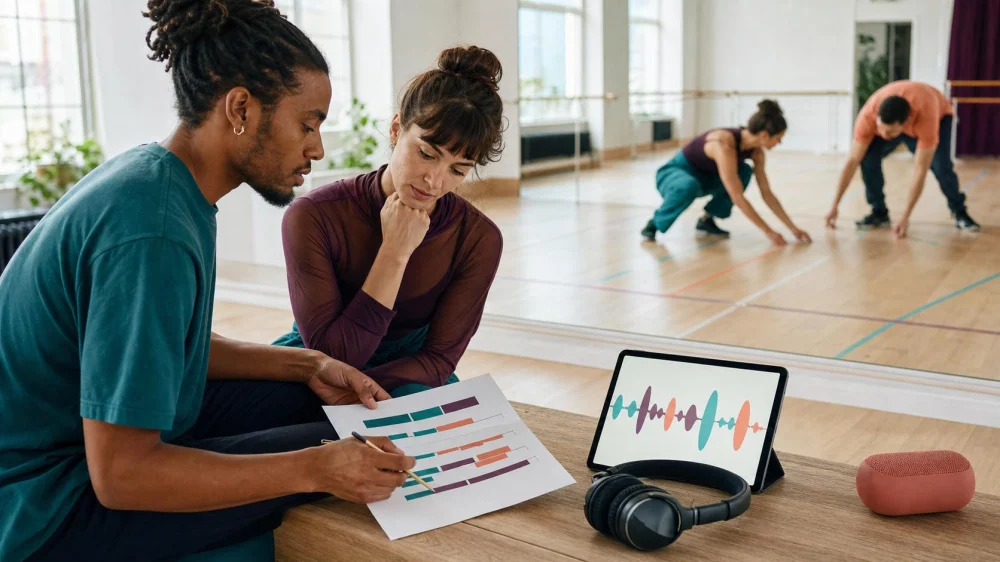
How to Prepare Music Notes for a Dance Rehearsal
On this page
Quick answer
Start with the exact rehearsal track and record its filename, artist, version, duration, tempo or count feel, starting cue, ending cue, and any edits. Mark a few unmistakable landmarks—intro, first lyric, drum entry, chorus, pause, accent, tempo change, and ending—using both counts and timestamps when helpful. Connect each landmark to a movement section, spacing change, or entrance, then update the notes whenever the audio changes.
The best music map helps dancers re-enter quickly; it does not transcribe every sound.
Lake Highlands Dance Academy / lake highlands dance academy
6300 Skillman St Suite 150, Dallas, TX 75231, USA
Confirm the exact music version
Ask the teacher or choreographer which file is authoritative. Streaming, album, radio, live, rehearsal, and performance edits may have different intros, clean lyrics, speed, or endings even when the title matches.
Record the file name and revision date. Test playback on the studio system before rehearsal and keep an authorized offline backup if permitted. Do not distribute music files or edits without the necessary rights and approval.
Artistic Movement Academy of Dance / artistic movement academy of dance
Glen BurnieAnne Arundel CountyMaryland
890 Airport Park Rd Suite 120, Glen Burnie, MD 21061, USA
Create a useful music map
Listen once without writing, then mark broad sections. On the second pass, add the clearest sound landmarks. Use the count structure taught in class—such as sets of eight—without forcing music into counts that do not fit.
Pair counts with timestamps for long pauses, entrances, edits, or rehearsal restarts. Note tempo or meter changes in plain language. Use short neutral descriptions such as “bass enters,” “vocal pickup,” “two-beat silence,” or “final sustained note.”
Connect notes to movement
Beside each music landmark, name the choreography section, formation, direction, level, entrance, lift preparation, prop change, or exit. Keep technique reminders separate from music cues so the page remains readable.
Highlight safety-critical coordination, such as a shared weight transfer, partner catch, moving set piece, or low-light entrance. Confirm those cues with the choreographer rather than relying only on personal interpretation.
Use notes efficiently in rehearsal
Keep the map where it can be seen without blocking the floor or distracting from instruction. When rehearsal stops, identify the nearest agreed landmark and say both the section and cue: “from the second chorus, eight counts before the pause.”
Write corrections during an appropriate break. Avoid calling out counts over the teacher or music unless assigned to do so. If dancers hear the phrase differently, ask the choreographer to establish one shared count.
Control revisions and sharing
Add a version number or date to the music map and choreography notes. When the audio is cut, sped up, reordered, or replaced, archive the old map and create a clearly marked new one. Do not silently edit a shared document that performers have already printed.
Share only with authorized participants through the agreed channel. Protect private links, unreleased work, performer information, and copyrighted audio.
Music-note checklist
- Confirm the authoritative track and edit.
- Record file name, duration, and revision date.
- Map broad musical sections first.
- Add clear counts and timestamps.
- Link landmarks to choreography sections.
- Confirm partner and technical cues.
- Label every updated version.
- Share audio and notes only as authorized.
Limitations and important notes
- Counts and musical terminology vary across dance styles and teachers.
- A personal map does not override the choreographer's official notes.
- Streaming access and file playback can fail; follow the studio's backup plan.
- Music use, editing, performance, recording, and distribution may require permissions or licenses.
- Safety cues still need supervised rehearsal, not paper confirmation alone.
Frequently asked questions
Should I count every beat?
No. Map enough structure to locate sections and difficult transitions without making the page too dense.
Are timestamps better than counts?
Use both when practical. Counts connect to movement, while timestamps help locate the place in a specific recording.
What if the music has no clear beat?
Use audible events, breath, text, duration, or movement cues defined by the choreographer.
Can I slow the track for practice?
Only with teacher approval and appropriate tools. Label altered versions clearly so they are not confused with performance audio.
Should everyone make their own map?
Personal notes can help, but one shared official version prevents conflicting counts and edits.
Sources and evidence notes
This method applies rehearsal-communication and version-control principles: identify the authoritative file, map a few observable landmarks, connect audio to movement, establish shared cues, document revisions, and protect authorized materials. The choreographer and music director set the final interpretation.
Map the first three landmarks
Open the approved rehearsal track and write only three entries: the start cue, the first major section change, and the ending cue. Add counts, timestamps, and choreography names. Confirm them with the teacher before expanding the map.
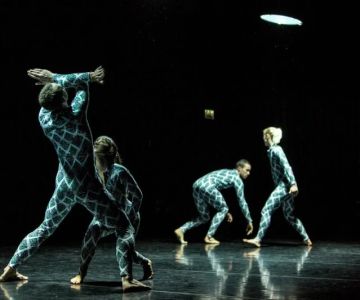

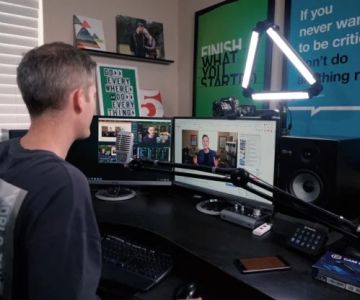
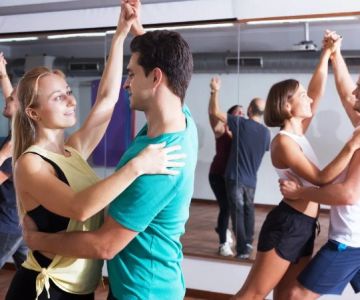
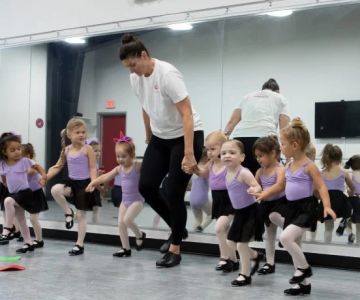
 The Wonder Studio (presents Kindermusik)5.0 (82 reviews)
 National Academy of Artistic Gymnastics4.0 (45 reviews)
 Academy of Rising Stars Inc4.0 (7 reviews)
 Dance Fashions Superstore4.0 (205 reviews)
 The Block DFW4.0 (15 reviews)
 SHIFT Movement & Healing Arts4.0 (11 reviews)
 How to Design Your Own Dance Practice Space at Home
 How I Used Music Theory to Improve Choreography and My Creative Process
 How I Learned to Teach Dance for Film & TV — My Story
 How I Learned to Use Mixed Reality and Live Streaming Simultaneously in My Dance Show — My Story
 What is Contemporary Dance and Is It Beginner Friendly?
 Understanding Popping, Hits, Waves, and Robotics in Dance Culture